Skills open doors, but young entrepreneurs still need to know who is behind them. In October, the Going Beyond project, implemented by Her Initiative with Digital Opportunity Trust, put that into practice twice: first by bringing banks, enterprise agencies and local government to young people in Iringa and Dar es Salaam, and then by bringing 37 Youth Leaders together for a Career Development Event to prepare their exit into the next chapter of their careers.
The young people in the BDS events came from Cohort 2, which mobilised 1,026 young people against a target of 1,000 (103%), and 958 of them completed the digital and business skills training. This is what they did with it.
At a glance
-
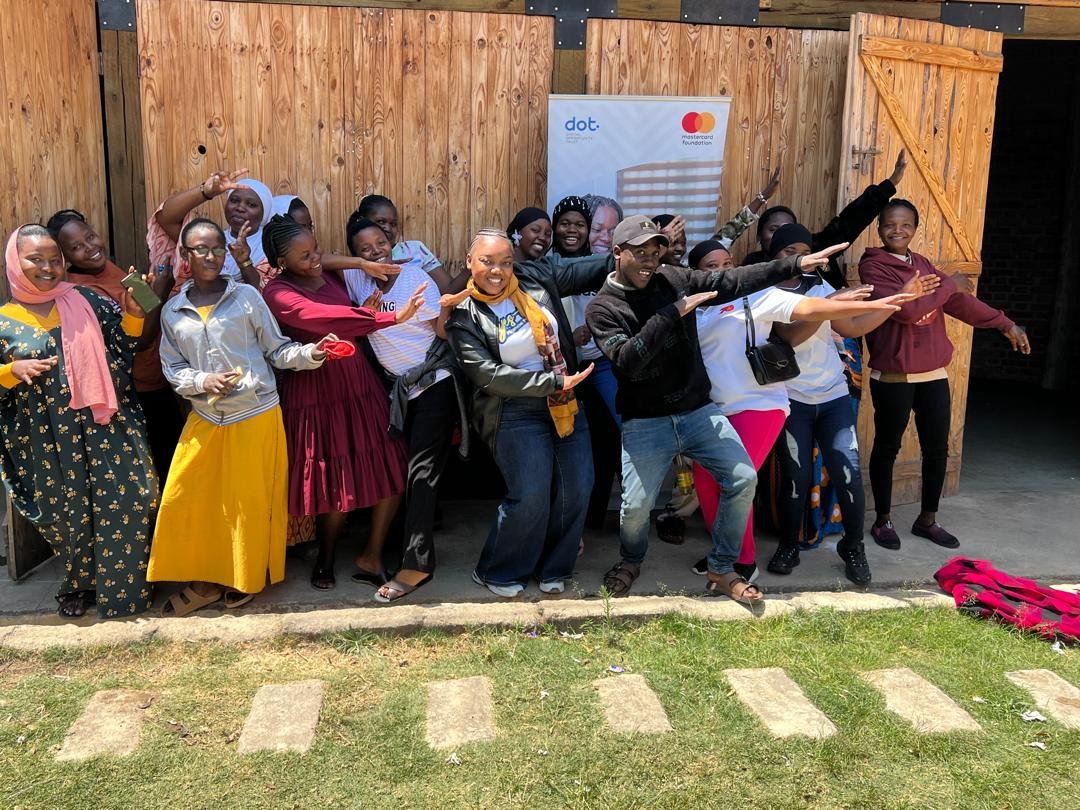
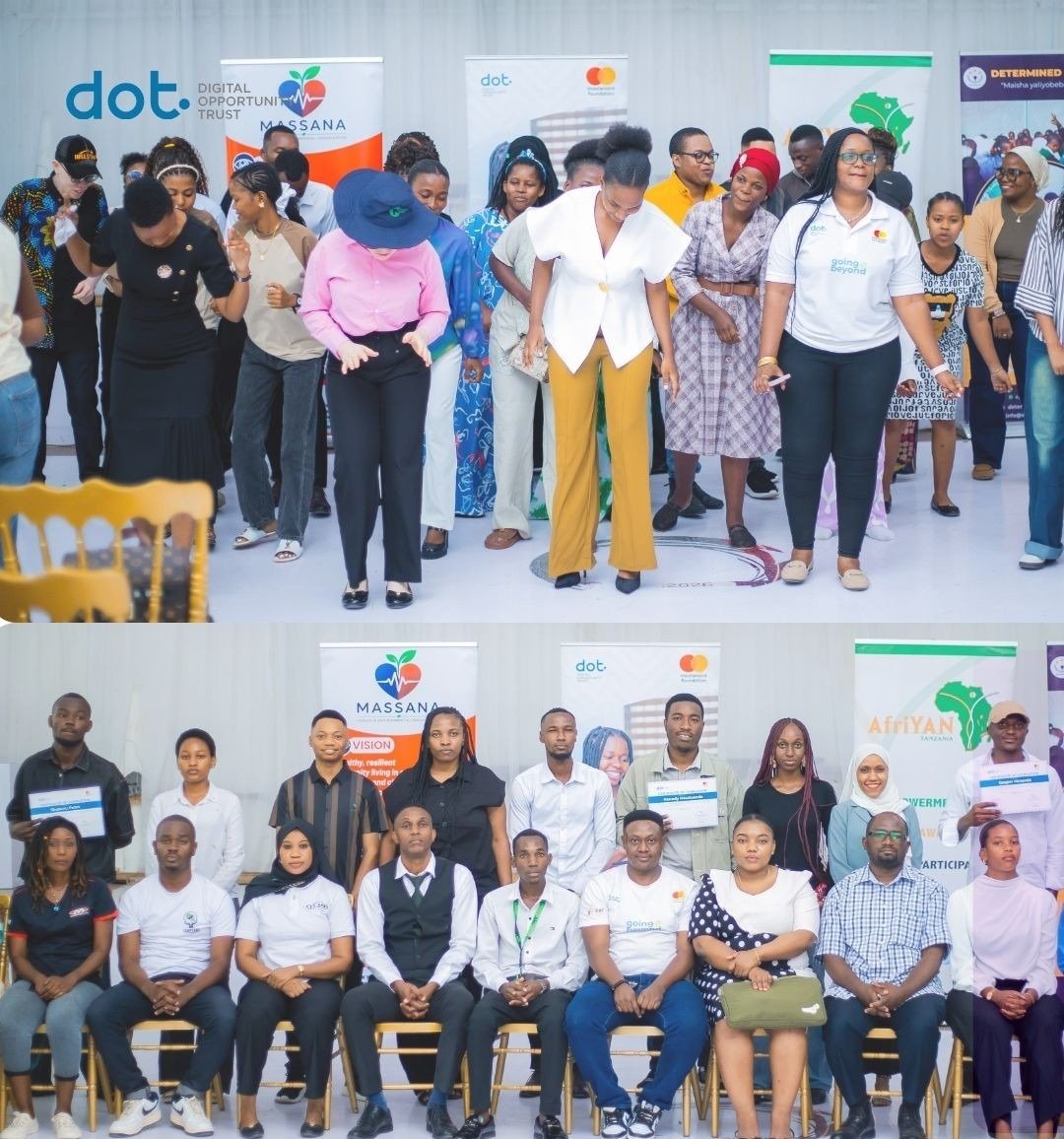
Iringa BDS event, 3 October 2026: more than 120 young people from Cohort 2 met CRDB Bank, SIDO and a Community Development Officer.
-
Dar es Salaam BDS event, 7 October 2026, Mwenge Social Hall: Cohort 2 graduates met CRDB, UTT AMIS and a Community Development Officer, supported by 13 host organisation staff.
-
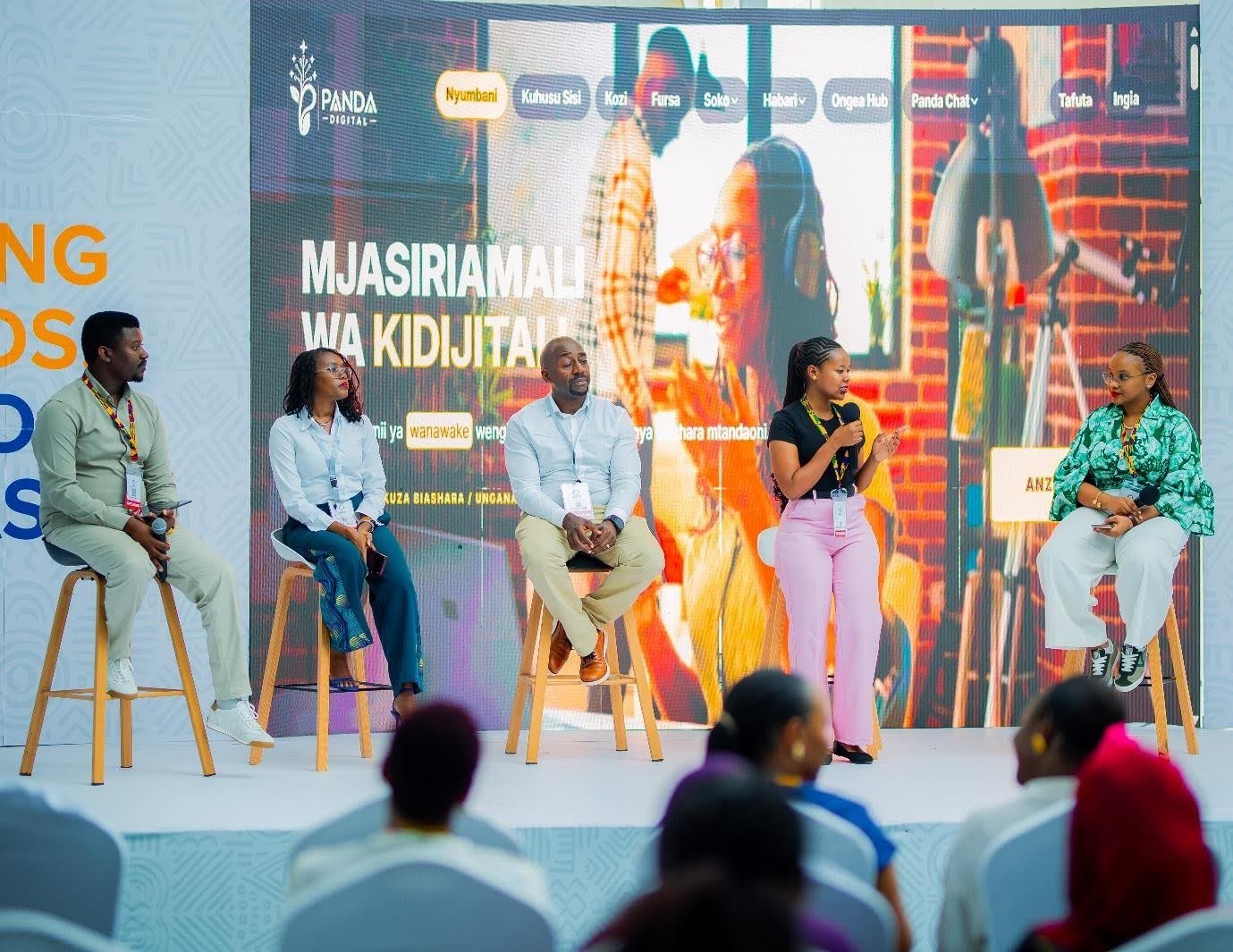
Career Development Event, 23 October 2026, Mesuma Hotel, Kijitonyama: 37 Youth Leaders, after five months in the field, heard from Anza Entrepreneurs, Niajiri, a digital jobs expert and Panda Digital.
Part 1: Business Development Service events
A training certificate shows what a young person can do. A Business Development Service (BDS) event shows them where to take it. In October, we brought the institutions that finance and support small businesses into the same room as the young people who had just completed the training.
Iringa, 3 October: more than 120 young entrepreneurs, three institutions, one session
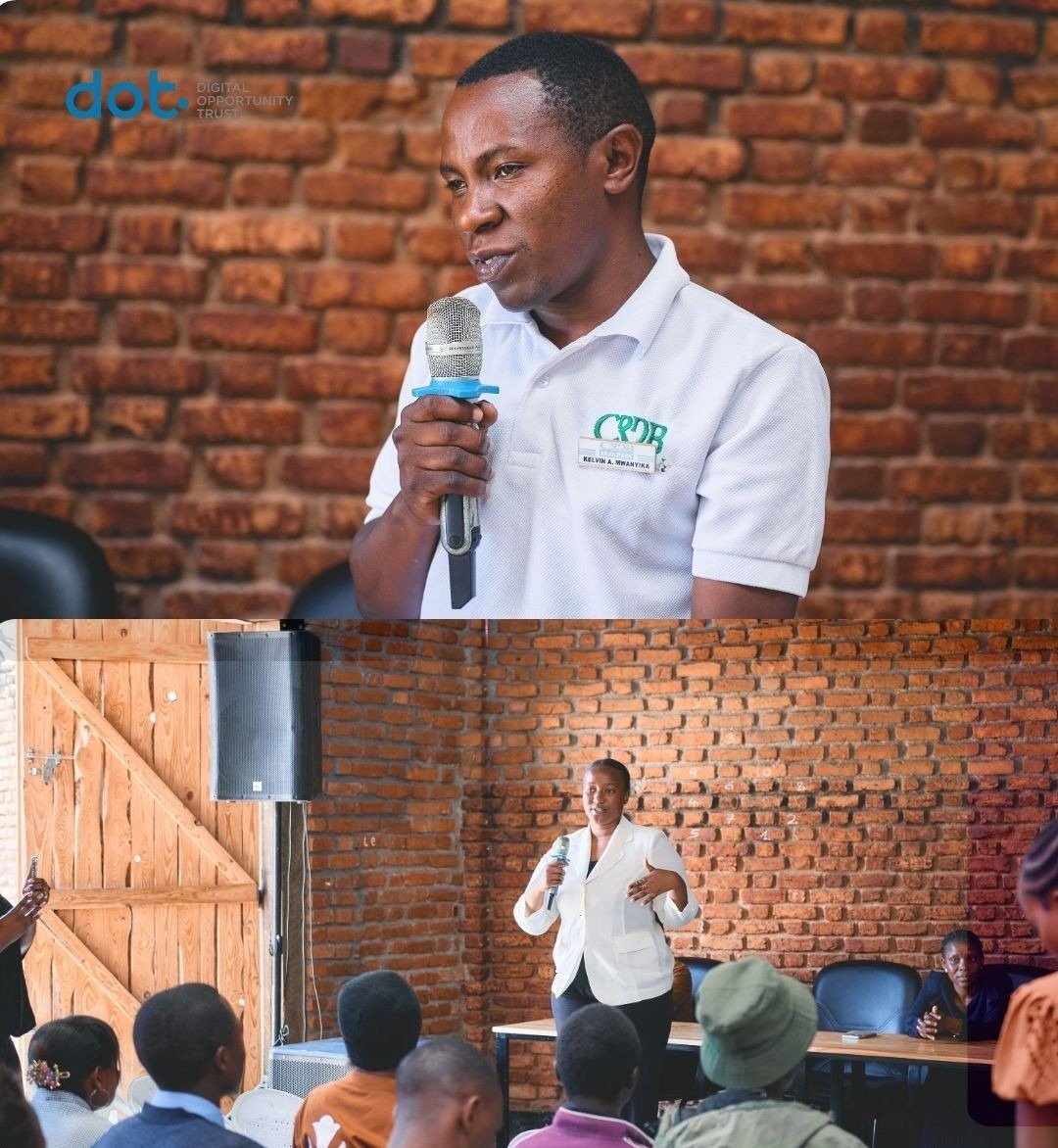
More than 120 young people from Cohort 2 met a bank, an enterprise development agency and local government in a single session. Each explained what they offer and how to get it.
CRDB Bank: Imbeju loans and savings for families. The representative explained how Imbeju loans can help entrepreneurs scale their businesses. He paid special attention to young mothers, many of whom had come with their children, and encouraged them to open savings accounts for themselves and for their children. Small regular deposits add up, so that school fees are not a struggle when the children grow.
SIDO: skills, machines and enterprise support. SIDO's representative described three kinds of help: hands-on technical training, machinery for people who commit to the training, and support across sectors, including modern farming methods in agriculture. Her example was concrete. After finishing tailoring training, a participant can later receive a tailoring machine to start a business or grow the one they already have.
Community Development Officer: information, then action. She pointed out that many people in Iringa miss municipal meetings, and so miss opportunities, and that even those who hear about the loans often do not act. Her message was that the loans are enough to build a business, the process is not as hard as it looks, and she is willing to help applicants through it.
Dar es Salaam, 7 October: savings, investment and credibility
At Mwenge Social Hall, young entrepreneurs heard from CRDB, UTT AMIS and the Community Development Office, with 13 staff from host organisations supporting the day. Participants were encouraged to ask questions, so it became a conversation and not just a presentation.
UTT AMIS: from saving to investing. The representative showed how even small amounts can be put to work, and that participants who leave money invested for up to a year can earn a higher interest rate of about 13%. The message was that money set aside from a business does not have to sit idle. It can become a reserve for stock, equipment, emergencies or expansion.
Community Development Office: the money is there. Mr Remigius explained that government loans for small businesses are normally available, yet a large share of the funds goes untouched. When participants worried that their applications would not succeed, he named two common reasons businesses fail to secure support: weak business plans and poor coordination, and limited collaboration with no written constitution. He urged them to show how their businesses create value, because that is what builds credibility with lenders.
CRDB Bank: a bank account is the foundation. Mr John Chacha urged every entrepreneur to keep even small earnings in a bank account, where the money is safe and builds a transaction record that lenders look for first. He also pointed to CRDB's Imbeju loans for scaling up and to freelance opportunities with CRDB that participants can take up alongside their own businesses.
What changed for participants
Across the two cities, the BDS events produced practical outcomes that participants can act on:
-
Direct access. More than 120 young people in Iringa, and the Cohort 2 graduates in Dar es Salaam, met three institutions each in a single session instead of having to find them one by one.
-
A route to growth finance. Participants in both cities learned how CRDB's Imbeju loans can help them scale, and that municipal loans are accessible and under-used.
-
Savings turned into plans. Young mothers in Iringa learned to save for themselves and their children, and participants in Dar es Salaam learned how investing through UTT AMIS can earn about 13% when funds stay invested for up to a year.
-
Tools to start or grow. Iringa participants learned how commitment to SIDO training can lead to equipment such as tailoring machines.
-
Credibility as a skill. Participants in Dar es Salaam identified the gaps lenders look for, such as a weak business plan, poor coordination and no constitution, and left with guidance on closing them.
Turnout was lower than we invited and expected in both cities, mainly because of distance, transport costs and the day's lost business income. For the next events, we are looking at transport support and earlier invitations through more channels.
Part 2: The Career Development Event
The BDS events looked outward, at the institutions around young entrepreneurs. The Career Development Event looked inward, at the people who make the project work in communities every day: our Youth Leaders.
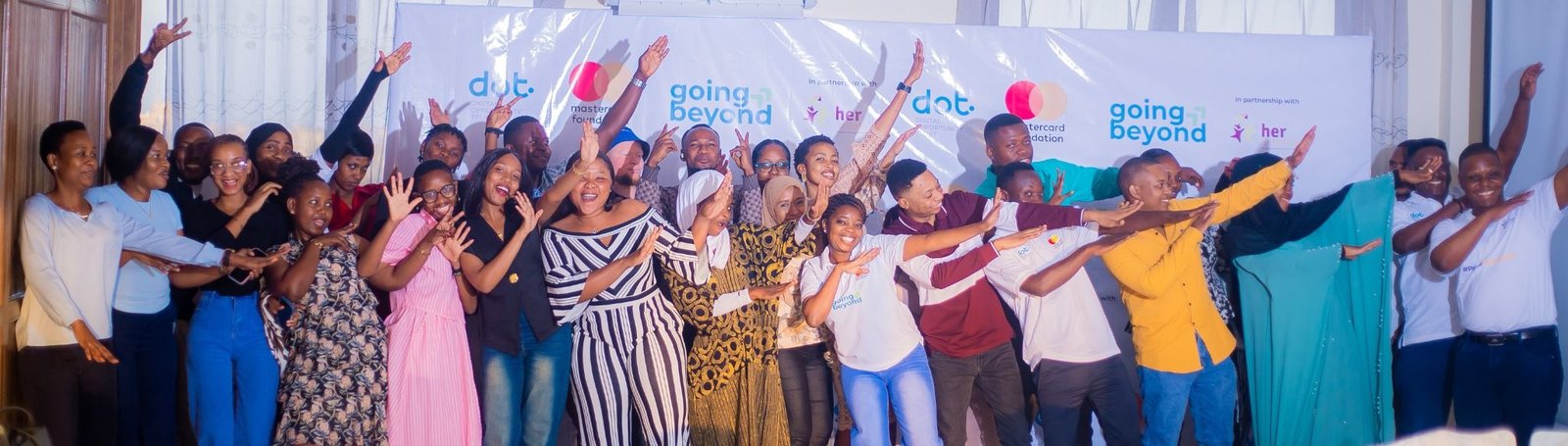
On 23 October 2026, 37 Youth Leaders came together at Mesuma Hotel in Kijitonyama, Dar es Salaam. For five months they had been working in the field, delivering digital and business sessions to young people in their communities. As they approach the end of their phase in the youth leadership programme, the event was designed to pull that journey together and give them a good exit: practical tools to earn, to start something of their own, and to apply for the next job with confidence.
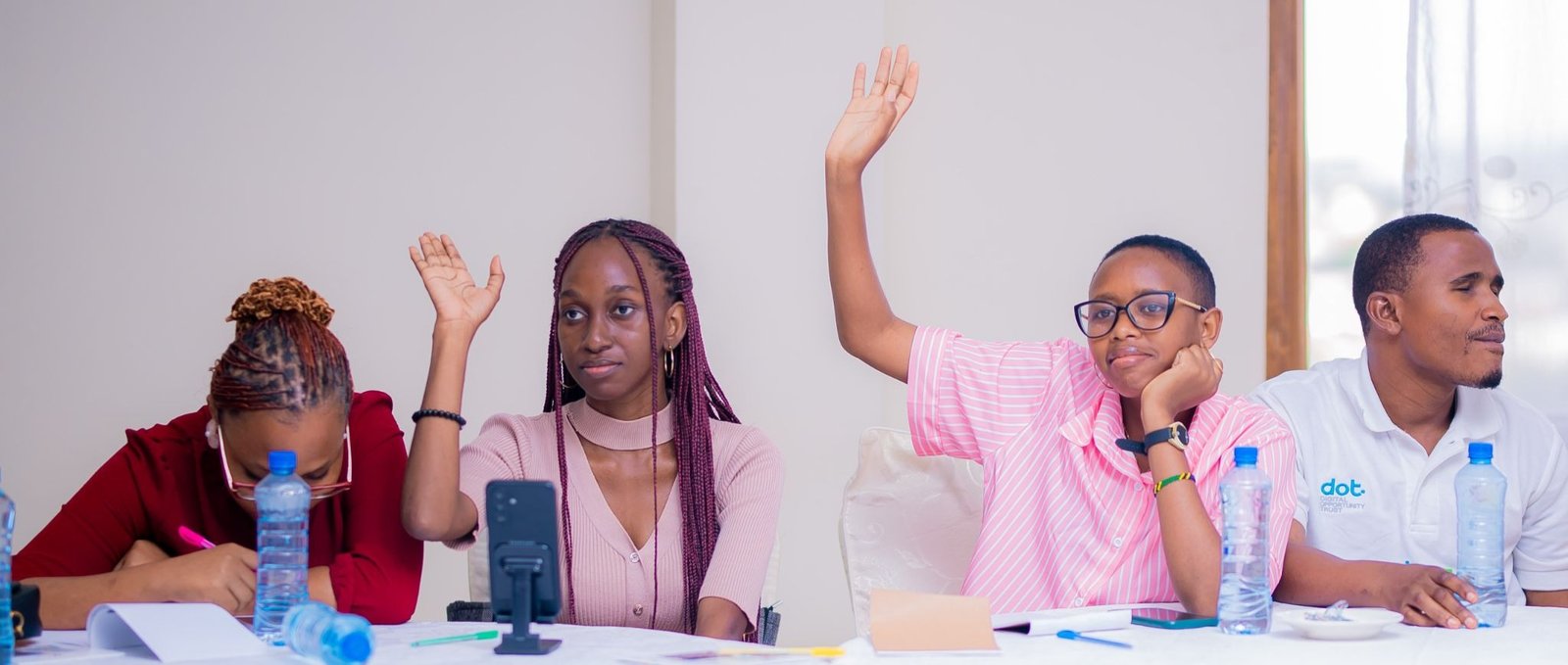
Building a successful business, with Dina Kikuli of Anza Entrepreneurs
Dina took the Youth Leaders from a useful idea to customers, income and sustainable growth. Her core message was that a business is not just an idea. It is a repeatable way to solve a problem for a customer, and earn enough to keep solving it. Her session covered:
-
Starting with people, not assumptions. Talk to 5 to 10 potential customers before spending much, and look for evidence of demand, not only compliments.
-
Testing before investing. Prove demand with the smallest useful experiment, such as taking orders on WhatsApp for a small batch before building a full online shop.
-
Protecting the money. Sales are not profit. Record every transaction, separate business and personal money, review cash weekly, and price to cover costs and leave a margin.
-
Building trust and repeat business. Deliver when promised, ask for feedback and referrals, and track a simple weekly scorecard.
-
Growing on solid foundations. Check registration, tax and licensing requirements with BRELA, TRA and the local authority before scaling.
She closed with a 30-day challenge: interview at least five people in week one, define the offer and test price in week two, run a small test in week three, and review the evidence in week four.
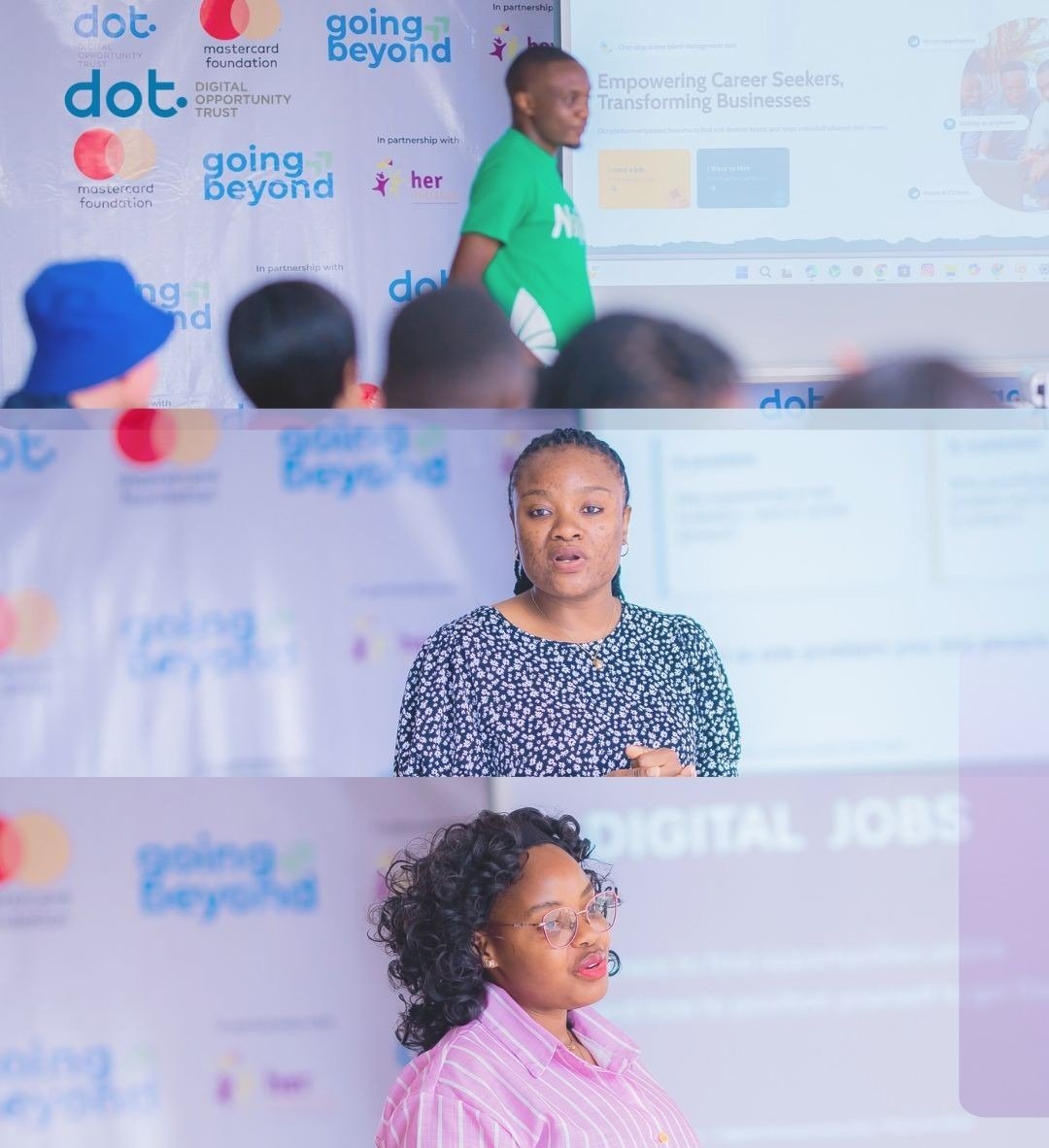
Finding digital and remote jobs, with Rosemary Julius
Rosemary showed the Youth Leaders the job opportunities that exist online, including remote and digital jobs, and how to access them. She explained how to build an online portfolio that shows employers and clients what they can do, so that their skills can reach opportunities well beyond where they live. For Youth Leaders who already work digitally every day, this turned a skill they already have into a possible source of income.
Writing a CV and cover letter that get noticed, with Mrisho Kagoa of Niajiri
Mrisho spoke about why a good CV matters and what separates a strong CV and cover letter from a weak one. He walked through the details of applying for a job, including the do's and don'ts of job applications. The session showed the Youth Leaders how to present five months of leadership and facilitation experience on paper.
Learning and growing online, with Panda Digital
Humphrey from Her Initiative introduced the Youth Leaders to Panda Digital, a platform they can use to keep learning and to grow their businesses after the project phase ends.
What the Youth Leaders left with
The 37 Youth Leaders left the event with four things they did not have in the morning, each one aimed at the next stage of their careers.
-
A way to start or grow an enterprise (Dina Kikuli, Anza Entrepreneurs): a simple test for demand, a way to track sales, costs and profit, and a 30-day action plan.
-
A route to income online (Rosemary Julius): knowledge of remote and digital jobs, how to access them, and how to build a portfolio.
-
A way to apply for jobs (Mrisho Kagoa, Niajiri): a clear picture of a good CV and cover letter, and the do's and don'ts of applying.
-
A place to keep learning (Humphrey, Her Initiative): access to Panda Digital to learn and grow their businesses.
Together, these shape an exit strategy. A Youth Leader can now leave the programme with a business idea they know how to test, an online route to work, an application they know how to write, and a platform to keep learning on. These are the outcomes we set out to achieve for them: a good end to the project phase and a stronger start to the next one.
What comes next
The BDS events and the Career Development Event follow the same idea: skills matter most when they meet opportunity. Our next steps are to follow up with the institutions the participants met, to help young people act on the loans, savings and investment options they heard about, and to keep supporting our Youth Leaders as they move on.
If your organisation can offer a job, an internship, mentorship or a partnership to a young person with these skills, we would like to hear from you. Contact Her Initiative at info@herinitiative.or.tz.