


At Her Initiative, we’ve learned that real change doesn’t start with opportunity, it starts with safety. You can equip a young woman with skills, connect her with mentors, or give her access to capital, but if she doesn't feel safe emotionally, physically, or psychologically none of it can fully take root. That’s why safeguarding is not just a checkbox in our programming, it is a culture we’re building, a value we’re protecting, and a commitment we’re constantly renewing.
This commitment recently came to life in a powerful way.
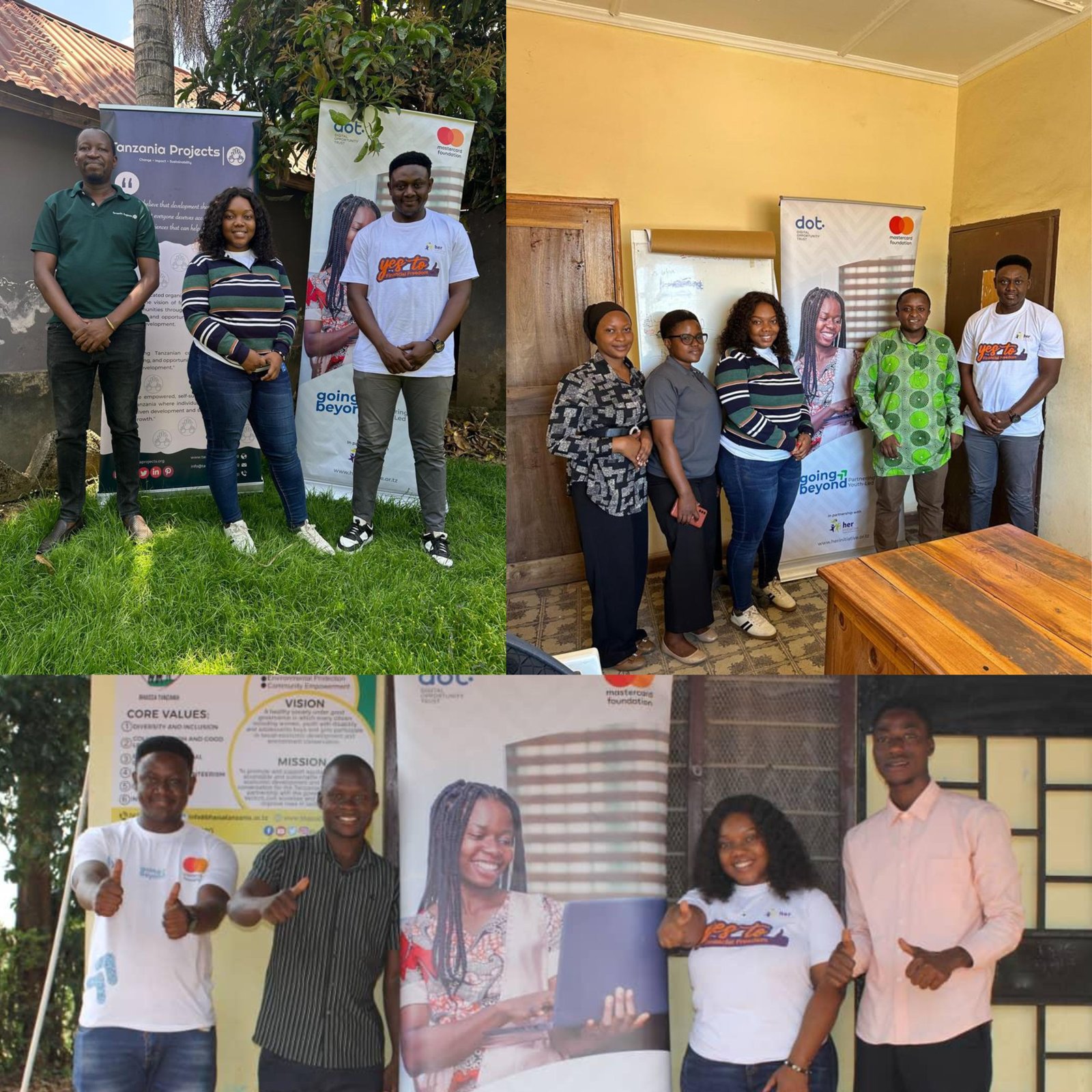
Our Safeguarding Lead, Celine Julius, took on a bold mission: visiting 14 host organizations from the Going Beyond Project across Arusha, Morogoro, and Dar es Salaam to assess how safety and protection were being upheld within our partnership spaces. But this wasn’t a typical audit or compliance visit. It was an invitation to reflect, to be honest, and to grow. It was a human-centered approach to safeguarding, rooted in deep conversations and mutual respect.
What unfolded during these visits was profound.
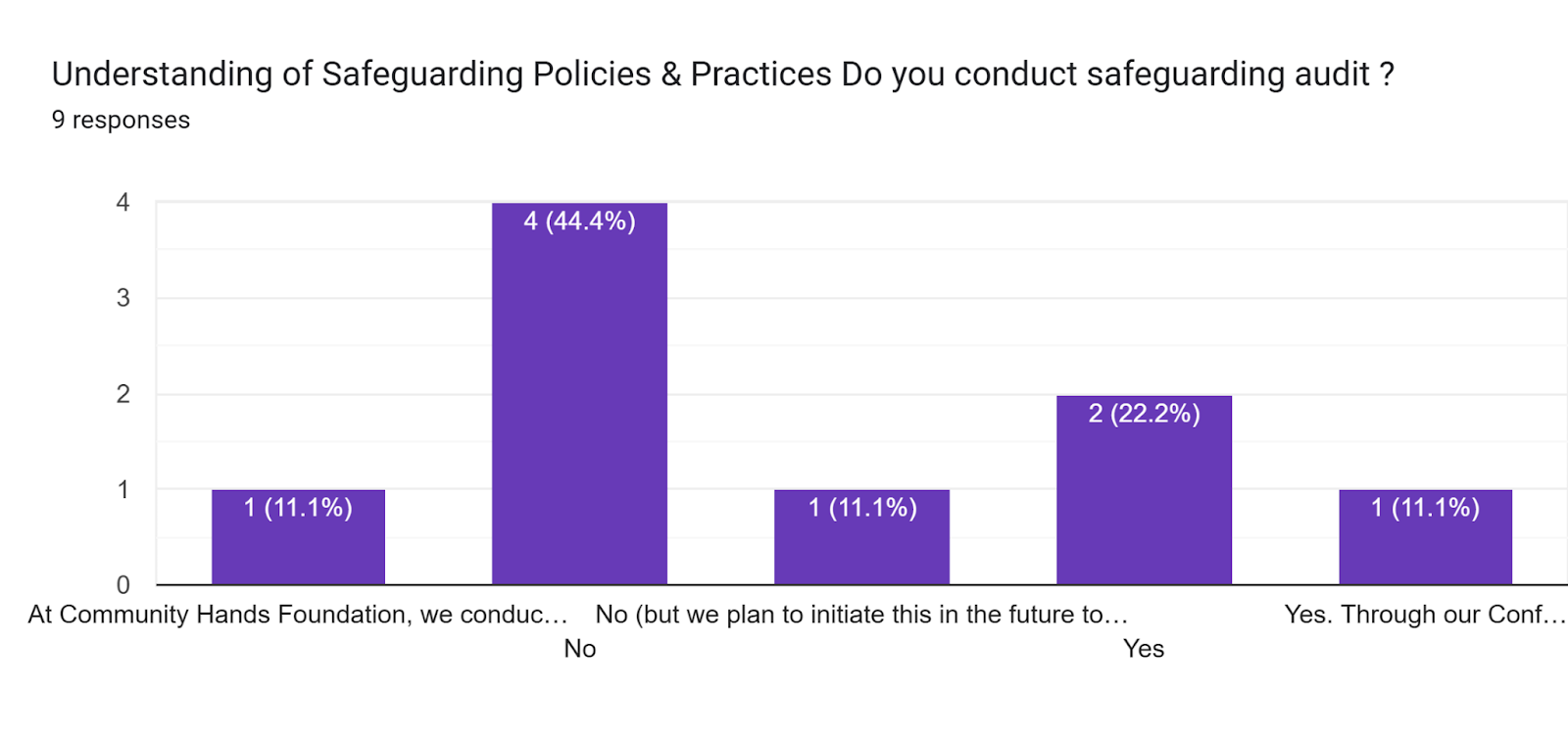
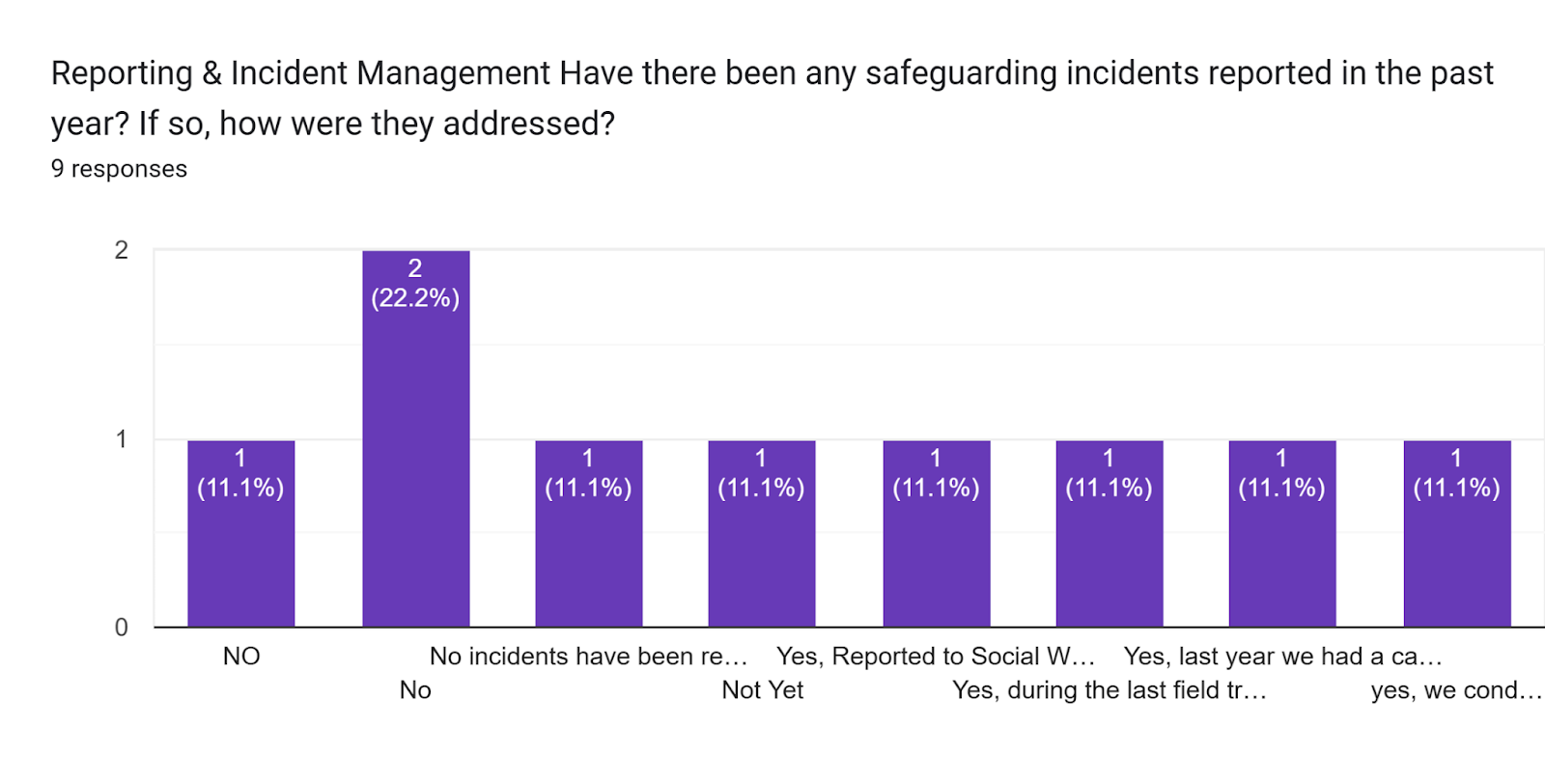
In her dialogues with organizational leads, Celine realized there were some crucial gaps in the host organizations safeguarding systems: lack of clear reporting structures, minimal understanding of child protection standards, and in some cases, no formal safeguarding framework at all. These were serious issues, but rather than framing them as failures, Celine framed them as opportunities, opportunities to evolve, to do better, and to create safer spaces for the young people we all aim to reach.
Importantly, these conversations revealed a common thread: a willingness to change. Host organizations were open, curious, and ready to strengthen their safeguarding practices, they just needed the right guidance.
So Celine got to work by giving guidance and co-creating frameworks for organizations that lacked the foundation of what safeguarding looks like. She pointed out meaningful suggestions, offering tools, insights, and frameworks that were tailored to each organization's context and capacity. She helped them envision what a safe, inclusive workplace and program space could look like, and more importantly, how to get there.
And the results were inspiring:
- Nine organizations began the process of formally developing their own safeguarding policies and procedures, a critical first step in institutionalizing protection.
- Five organizations went even further, establishing monthly safeguarding refresher sessions to keep their teams informed, aware, and accountable
- Several teams began initiating internal conversations about power dynamics, gender sensitivity, and ethical conduct topics that are often uncomfortable but incredibly necessary.
This work is more than an internal win, it’s a signal that the ecosystem around youth empowerment is maturing. We’re not just talking about safety, we’re investing in it, embedding it, and expecting it.
By taking this approach, her initiative is helping to shift the culture of accountability across our network. We are not only protecting young women, we are affirming their right to feel secure, respected, and valued in every space they step into. And when safety becomes the norm, young people are not just empowered—they are unstoppable.
This is the future we’re working toward: a future where every partner, every space, and every opportunity is built on trust and protection. Because safety isn’t optional, it’s everything.