


At Dar es Salaam Girls Secondary School, something powerful is happening at the heart of the school community. The students in the Mshiko Club have found a way to turn a simple business idea into something with deeper meaning.
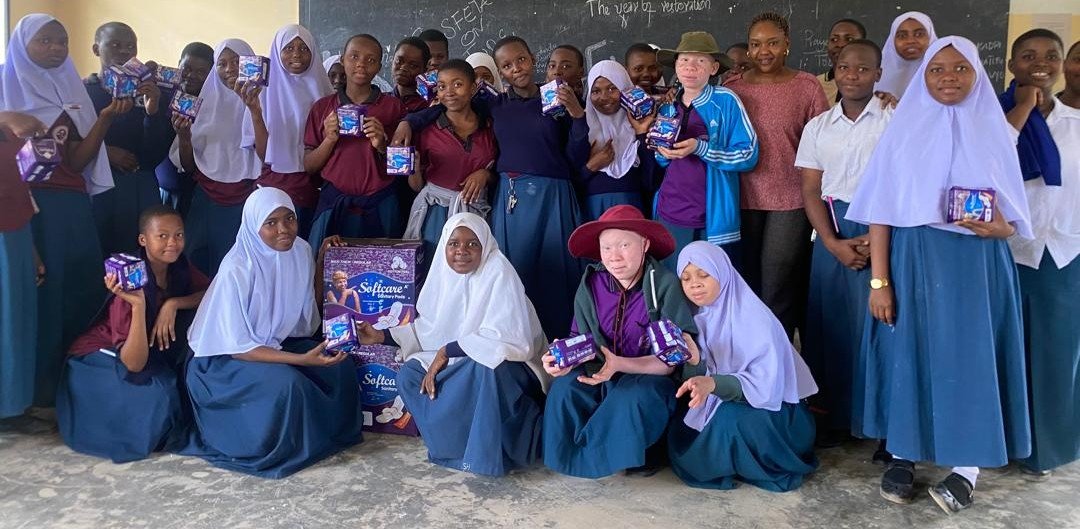
Using profits from their cooking and snack sales, the club recently made the decision to purchase and distribute sanitary pads for fellow students. It was not a planned campaign or a school requirement. It came from the students themselves, an act of care, empathy, and purpose.
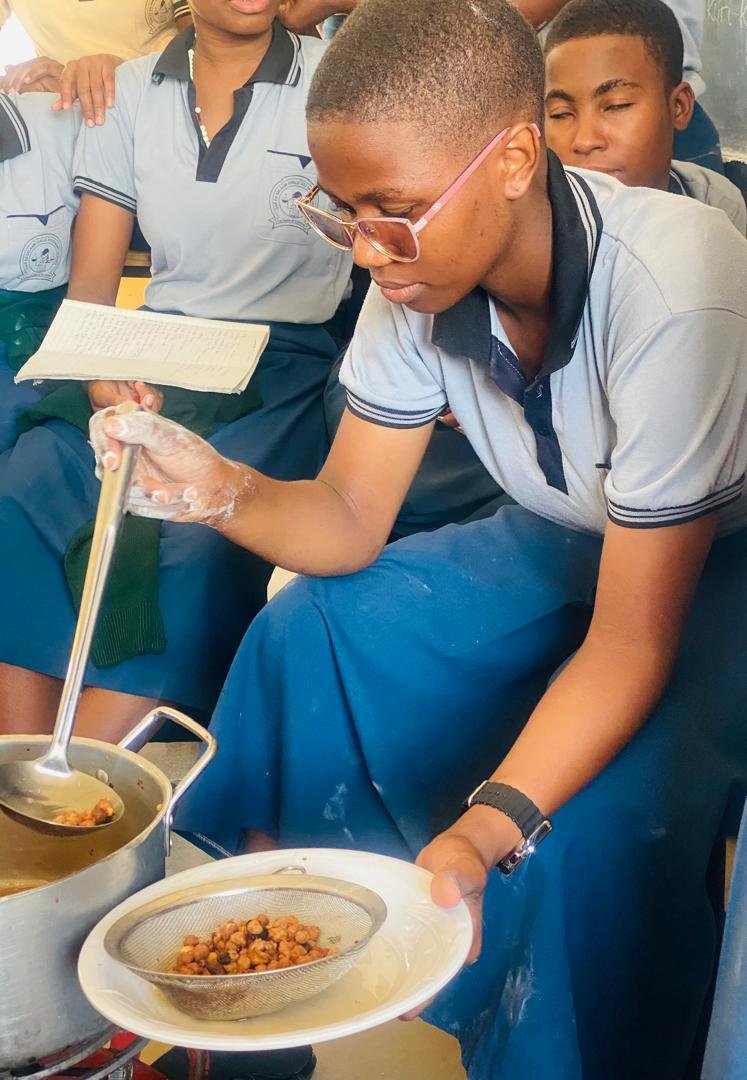
At a school where all students are girls and most live on campus, access to menstrual hygiene products is not just a health issue, it is a question of dignity, comfort, and the ability to focus on learning. For some students, especially those from low-income backgrounds, managing menstruation can mean missing class, feeling isolated, or struggling in silence.
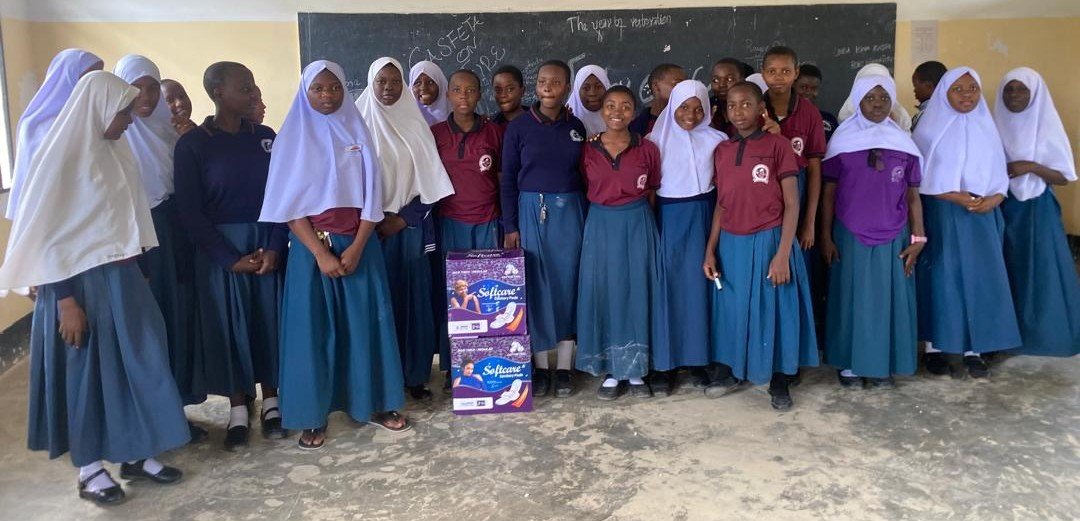
The Mshiko Club saw this challenge not as someone else’s responsibility but as something they could do something about.
What Has This Led To?
This initiative has done more than provide a basic need. It has created a ripple effect. There’s a stronger sense of solidarity among students, and a visible shift in how they support one another. Girls who may have quietly struggled now know they are seen and cared for by their peers. The school environment feels safer, more inclusive, and more understanding
At the same time, the students are learning what it means to run a business with purpose. They are seeing firsthand that entrepreneurship is not just about profit it is a tool for solving problems and uplifting others. The project has helped them think more intentionally about the impact of their decisions, and how small actions can lead to meaningful change.
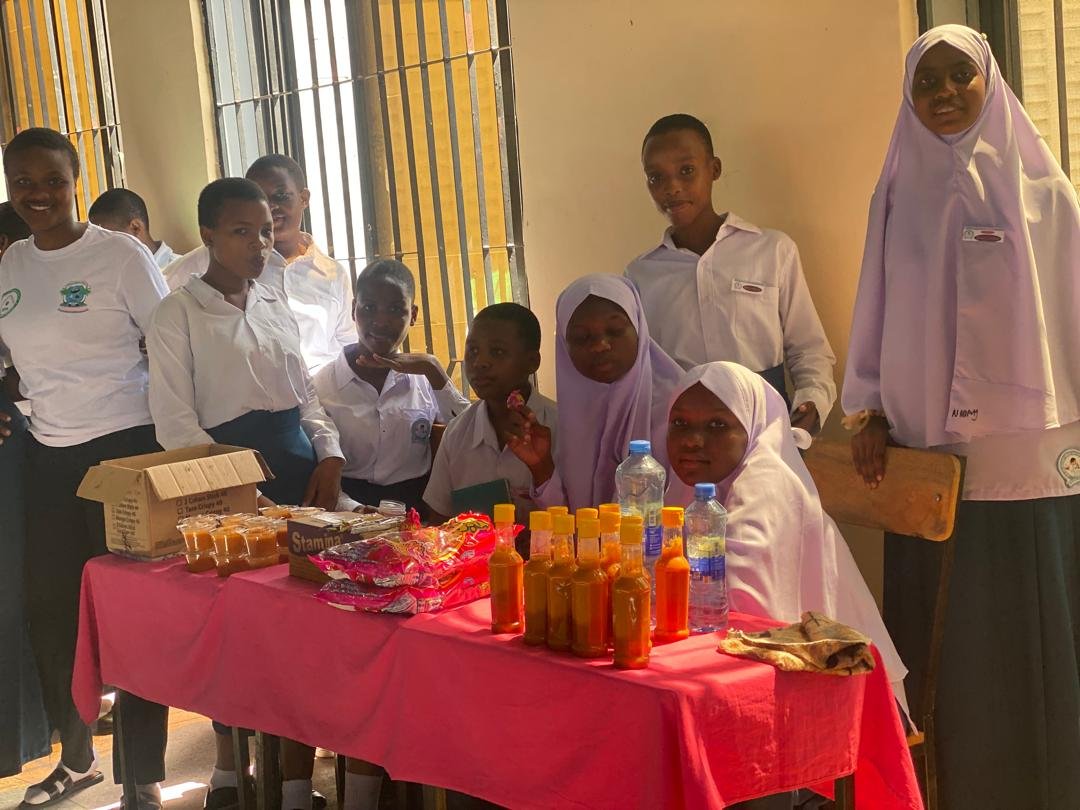
Teachers have also noted a growing sense of leadership within the club. The girls are more confident in planning, budgeting, and presenting their ideas and more importantly, in using their voice for good.
What is happening at Dar es Salaam Girls Secondary School is a reminder that when young people are given space to lead, they do not wait for permission to make a difference. They start where they are, with what they have.
And when they do, they often end up creating solutions that adults may have overlooked, solutions rooted in empathy, lived experience, and a shared commitment to community wellbeing.