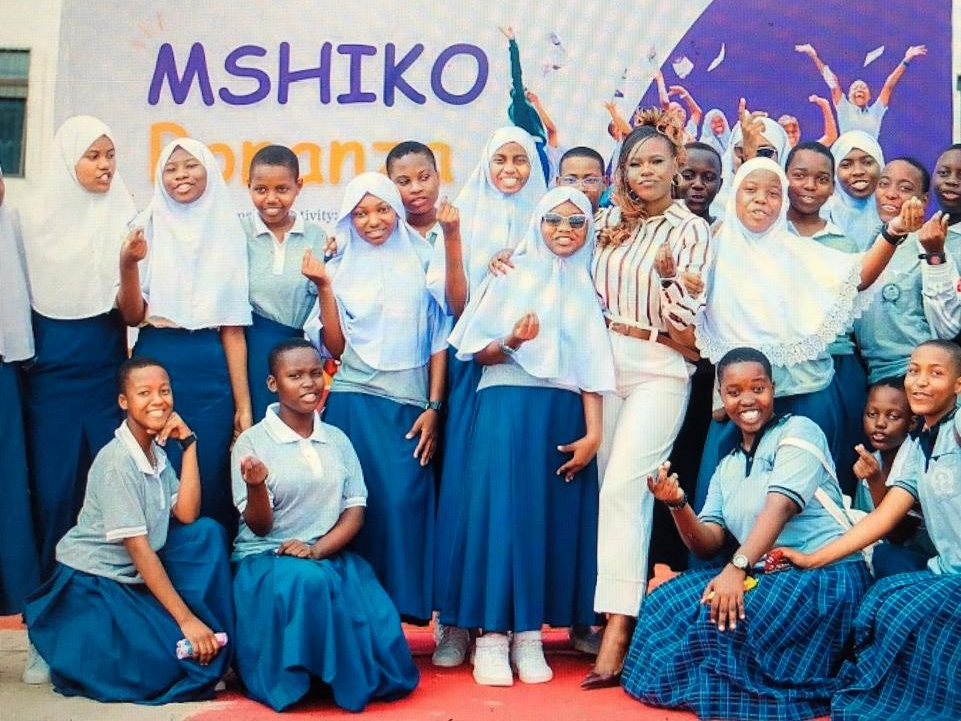


When more than 500 students from five public schools in Ubungo District gathered at Saranga Secondary School on September 20th, it was not just another school event. It was a defining moment, a statement that young people, especially girls, have the creativity, resilience, and leadership needed to reshape their futures. The Mshiko Bonanza 2025 was a solid proof, proof that when girls are given tools, knowledge, and a platform, they do more than dream, they deliver change.
Innovation That Speaks Beyond the Classroom
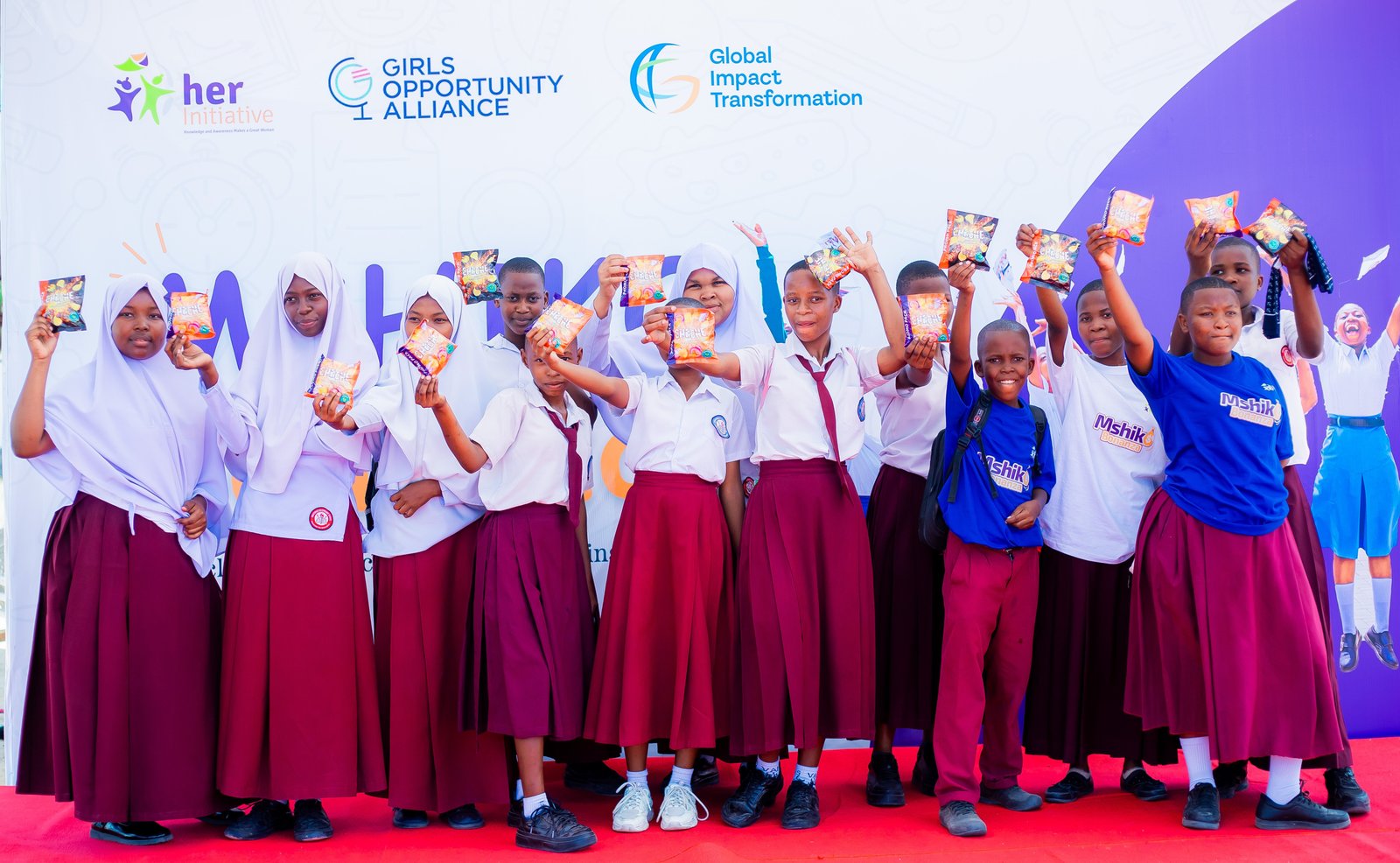
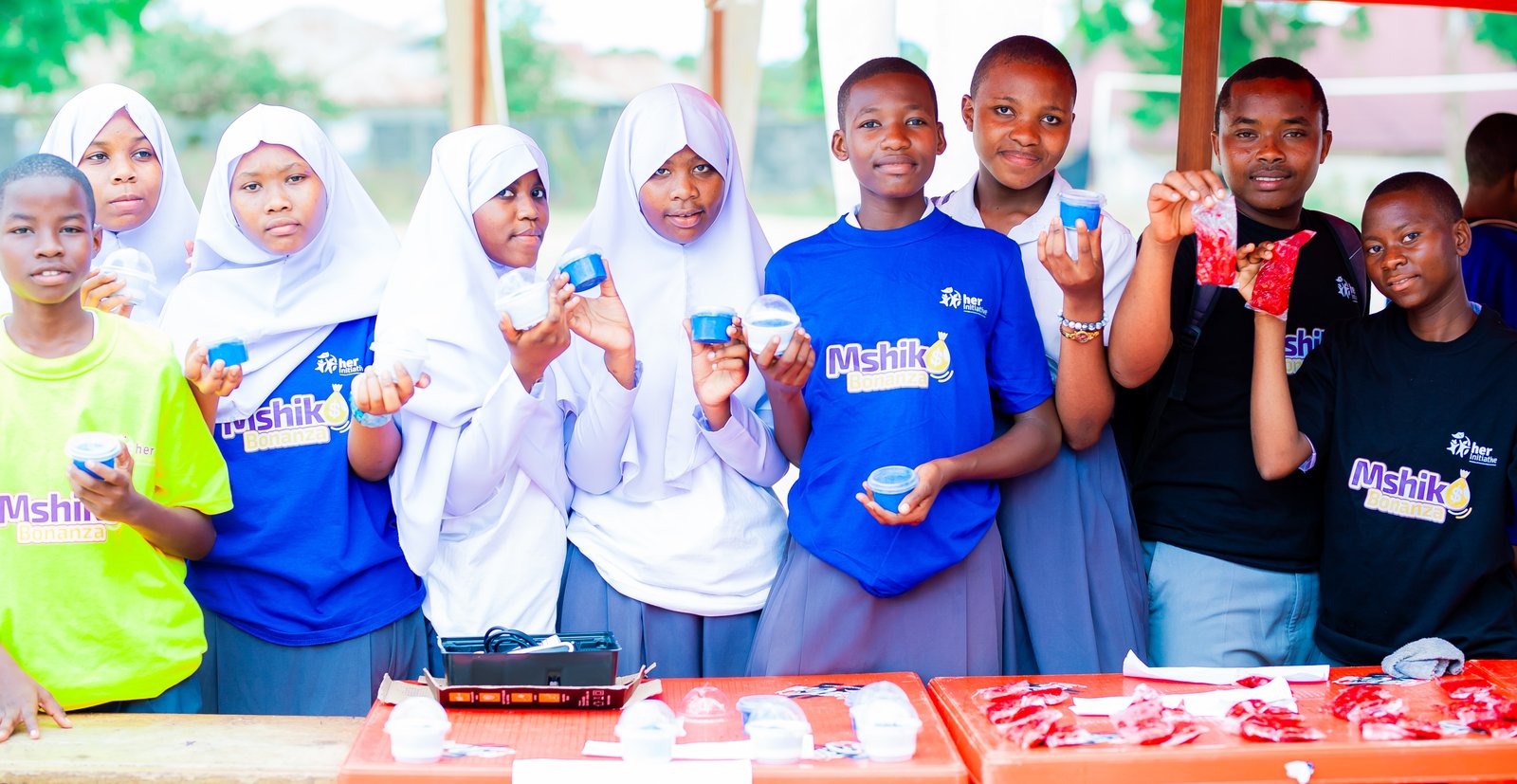
The exhibitions at the Bonanza told a powerful story. From Saranga Secondary’s soap and crisps project, to Dar es Salaam Girls’ chili and peanut venture, and Malamba Mawili’s alternative charcoal and shoe dye, each innovation responded to real needs, not abstract ideas. These projects are already generating income, but more importantly, they are solving daily challenges students face, like access to sanitary pads and basic school materials. Beyond profit, the projects reflected creativity with purpose proof that young innovators can turn everyday struggles into sustainable solutions.
In the lead-up to the Bonanza, every participating school submitted their projects for evaluation. A panel of judges assessed them carefully, looking not only at business potential but also at how well the students had demonstrated creativity in problem-solving, their ability to save and budget wisely, and the strength of their branding and presentation. Beyond these, the judges also considered the impact each innovation carried for students and the wider community.
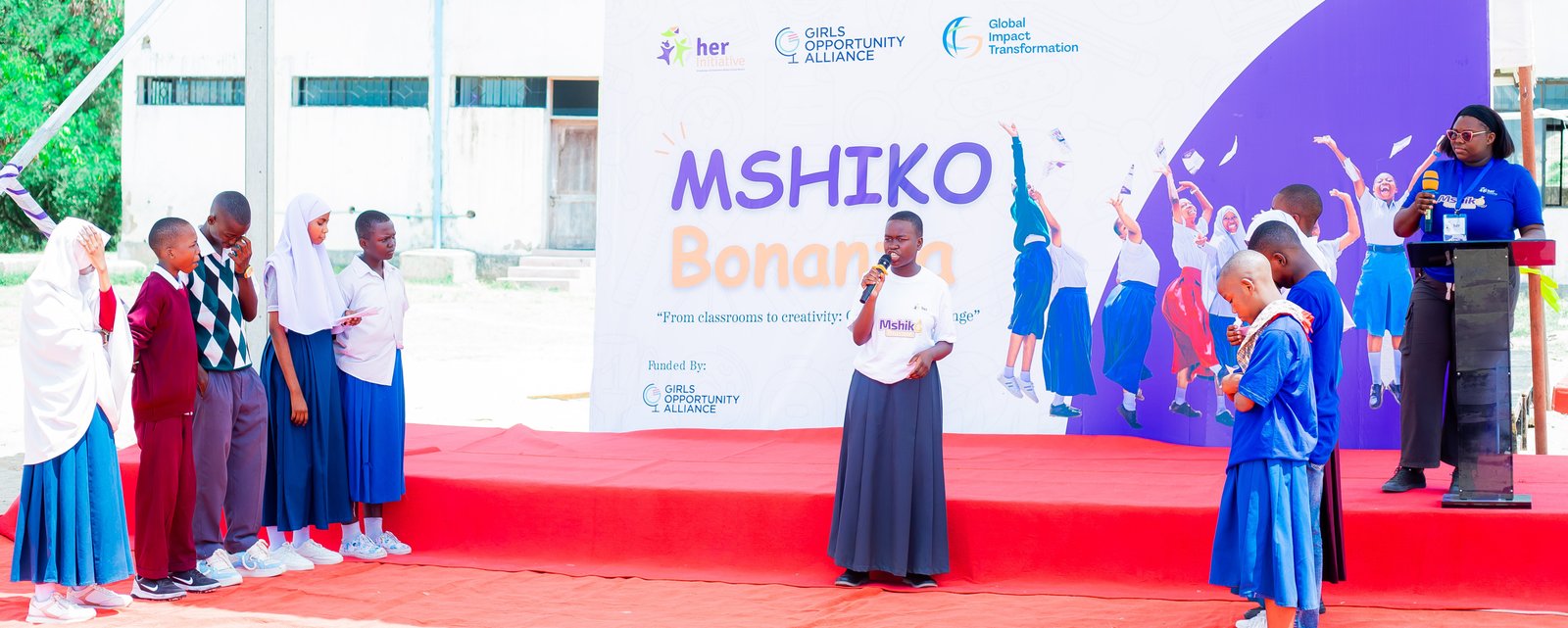
The Bonanza itself became more than a showcase; it was also the long-awaited moment when schools would finally learn whose project had risen to the top, proving that entrepreneurship is not just about profit but about vision, responsibility, and the courage to create solutions that last.
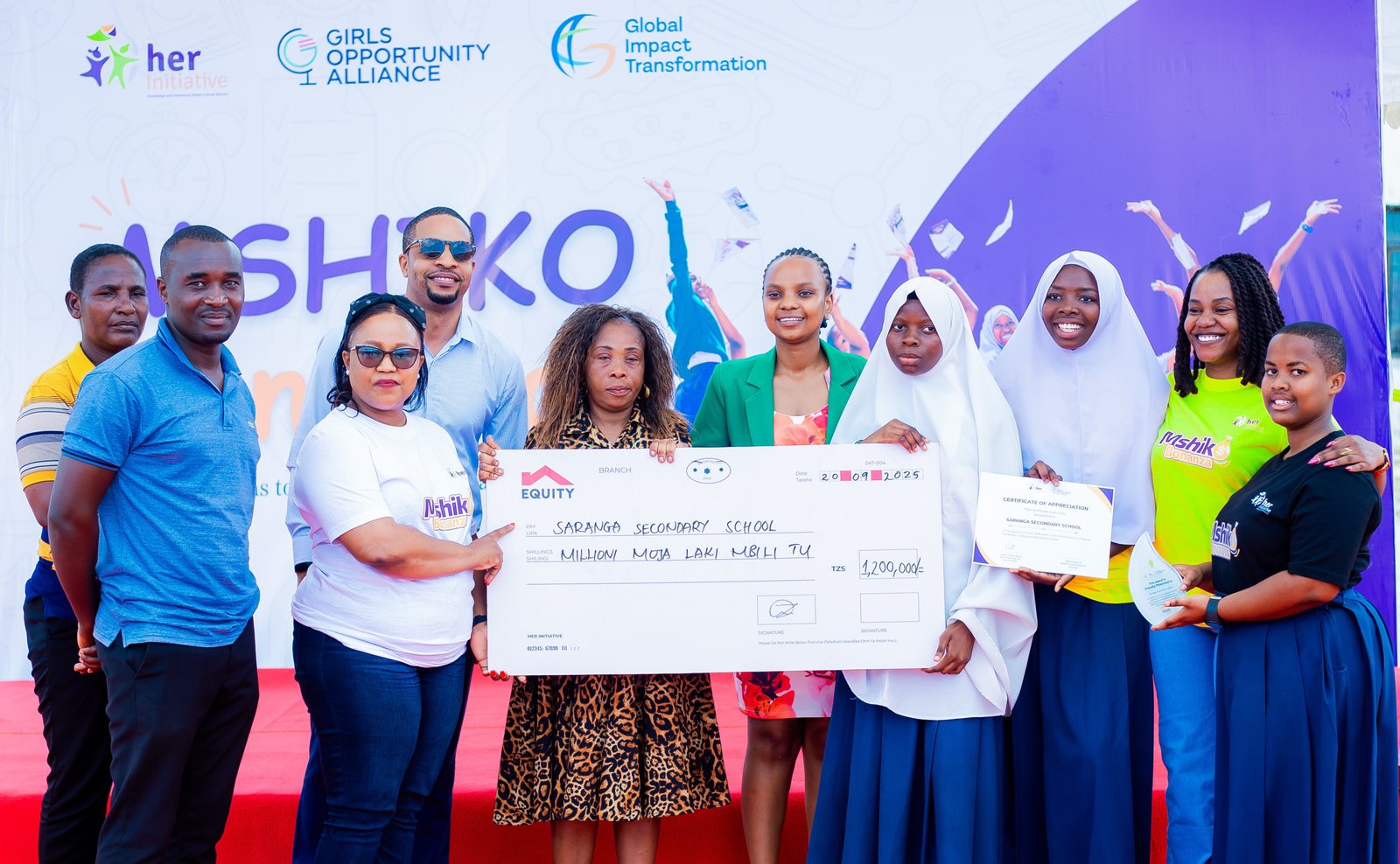
When the winners were announced, excitement filled the air: Saranga Secondary took first place with Tsh 1.2 million, Dar es Salaam Girls’ Secondary came second with Tsh 800,000, and Malamba Mawili Secondary secured third with Tsh 500,000. Importantly, these prizes are not the end of the story; they are being reinvested directly into the school projects, ensuring that the ideas don’t end with applause but continue to grow in classrooms, homes, and communities. To honor every participant’s effort, Kiluvya Secondary and King’ongo Secondary each received Tsh 250,000 as a token of appreciation for their creativity and hard work.
A Stage of Voices and Vision
The day unfolded with more than product displays. Students pitched their ideas through the Marketplace segment, turning the stage into a real-life business arena where they convinced guests of the value of their products. They also engaged in debates, tested their financial literacy in interactive games, and showcased their confidence through performances. But what truly lifted the Bonanza was the weight of voices in the room.
The presence of key partners and leaders gave the Mshiko Bonanza 2025 deeper significance. All participating head teachers and club teachers attended, alongside Her Initiative’s Executive Director, Lydia Charles Moyo, and Mr. Andrew Mahiga, representing the organization’s Board of Directors. Our main partner in the Mshiko Clubs, Tanzania Global Impact Transformation, was represented by Humphrey Ottaru, while the government representative, present as Guest of Honor, underscored the importance of linking education to empowerment. Together, their presence was a strong reminder that the success of Mshiko Clubs is not carried by students alone, but supported by a wide community of educators, partners, and leaders who believe in investing in girls as a driver of national progress.

This sequence of voices from teachers, leaders, and role models gave the Bonanza its depth.
Redefining What It Means to Stay in School
In many underserved schools, staying in school is not just about showing up for lessons. It is about overcoming the financial and social barriers that quietly push students, particularly girls, out of classrooms. What Mshiko Clubs and by extension the Bonanza have done is redefine what “schooling” means. It is no longer only about grades; it is about self-reliance, teamwork, creativity, and solidarity.
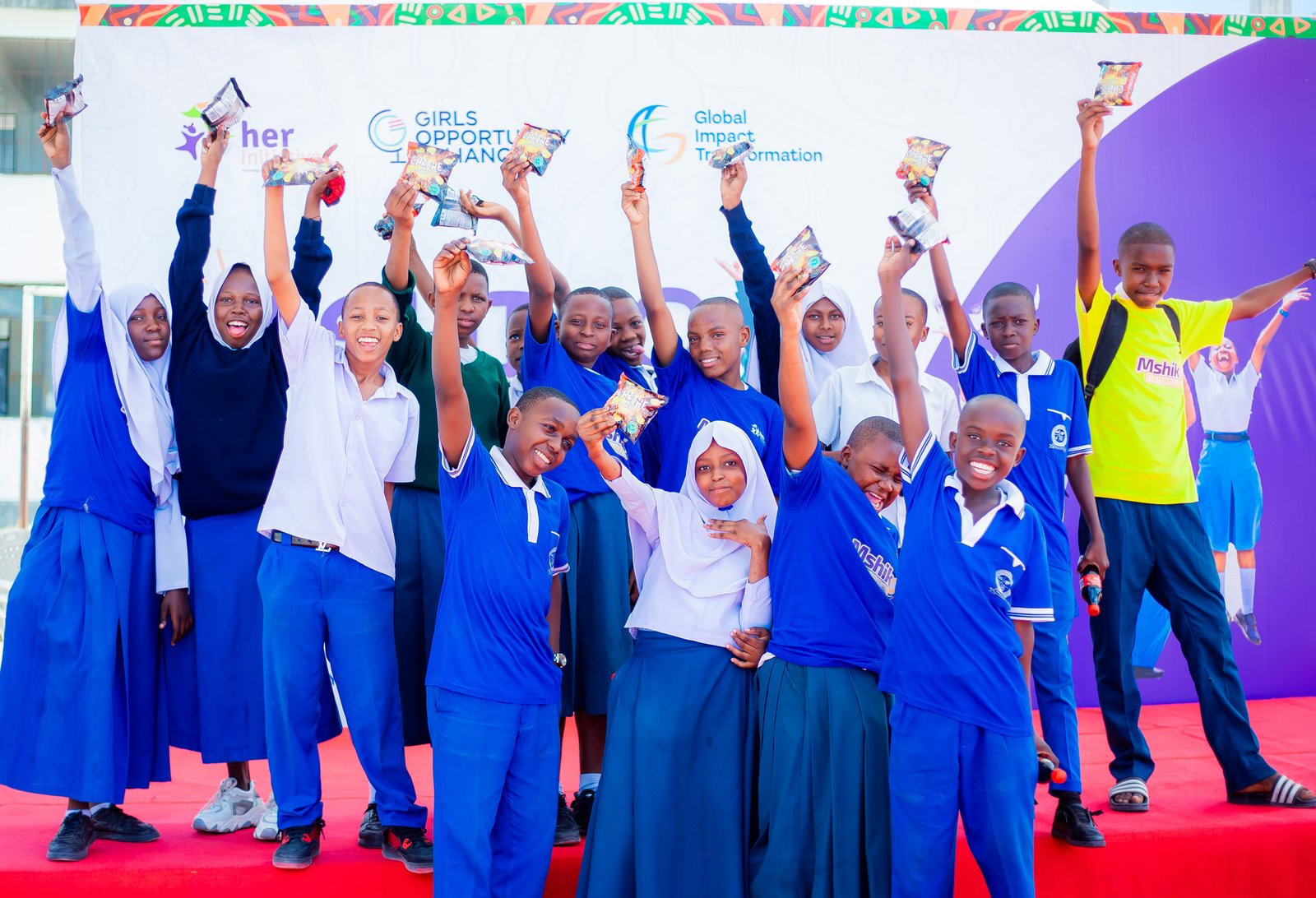
Through their projects, students are not only learning how to run businesses, but also ensuring their peers do not drop out for lack of basics. They are proving that education, when linked with financial literacy and innovation, becomes sustainable and inclusive.
A Legacy in Motion
The Mshiko Bonanza marked the close of Phase One of the project, but the atmosphere made it clear: this is not the end. It is the beginning of a legacy that will carry forward into Phase Two, where even more girls will be equipped to lead change.