

When movements are grounded in research, shaped by community, and led by women, the impact is unstoppable. That’s what the MAISHA Scale-Up Workshop, held from May 22–25 in Nairobi, Kenya, proved yet again.
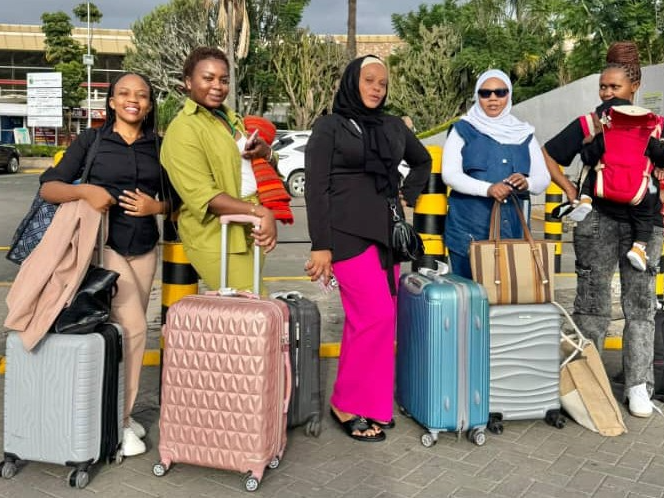
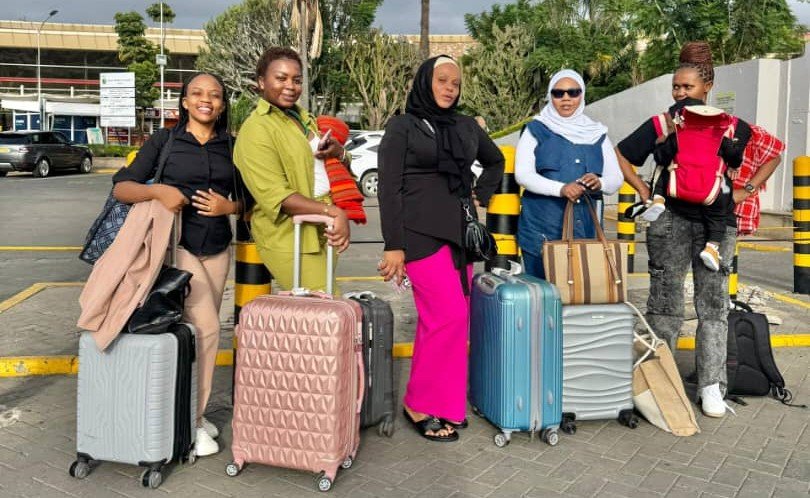
Her Initiative represented by Wendy Shewiyo, together with an incredible coalition of feminist-led organizations including Bintisalha Foundation, ICCAO Tanzania, Binti Makini Foundation, and Mwanamke Initiative Foundation, had the honor of joining this strategic and deeply transformative regional convening. Our mission? To help scale MAISHA not just as a program, but as a long-term, community-rooted solution to intimate partner violence (IPV) and women's disempowerment in East Africa.
What is MAISHA?
At its core, MAISHA is more than an intervention. It is a movement of hope, a model of empowerment, and a blueprint for change. Developed through rigorous evidence by the London School of Hygiene and Tropical Medicine, in partnership with the Africa Centre for Health Systems and Gender Justice, the MAISHA program has demonstrated real, measurable success in reducing IPV while enhancing women's economic and social empowerment.
It does this not through isolated efforts, but through group-based, community-led interventions. It is feminist, it is local and most importantly, it works.
Why This Workshop Mattered
The 2024 Scale-Up Workshop in Nairobi was a turning point. It gathered facilitators, community organizations, researchers, and advocates from Kenya and Tanzania, united by one purpose: to take MAISHA to the next level, institutionally, sustainably, and regionally.
Here is what made it so impactful:
🔹 Strategic Scaling: Conversations were not just about expansion; they were about sustainable infrastructure on how to embed MAISHA’s proven methodology into national policies, health systems, and grassroots ecosystems.
🔹 Localization of Solutions: Each organization brought deep insight into their context. For Tanzania, Her Initiative and fellow partners offered practical insights on tailoring MAISHA for different regions, cultural realities, and community dynamics without diluting its feminist roots.
🔹 Collective Feminist Power: This was a gathering of movement-builders. Every voice whether from rural Tanzania or urban Nairobi was centered, valued, and empowered to shape the roadmap ahead.
🔹 Evidence-Backed Direction: The discussions were grounded in the science that MAISHA works. The model is proven. Now the work is making sure it reaches more women, more communities, more systems without losing its heart.
Her Initiative’s Role
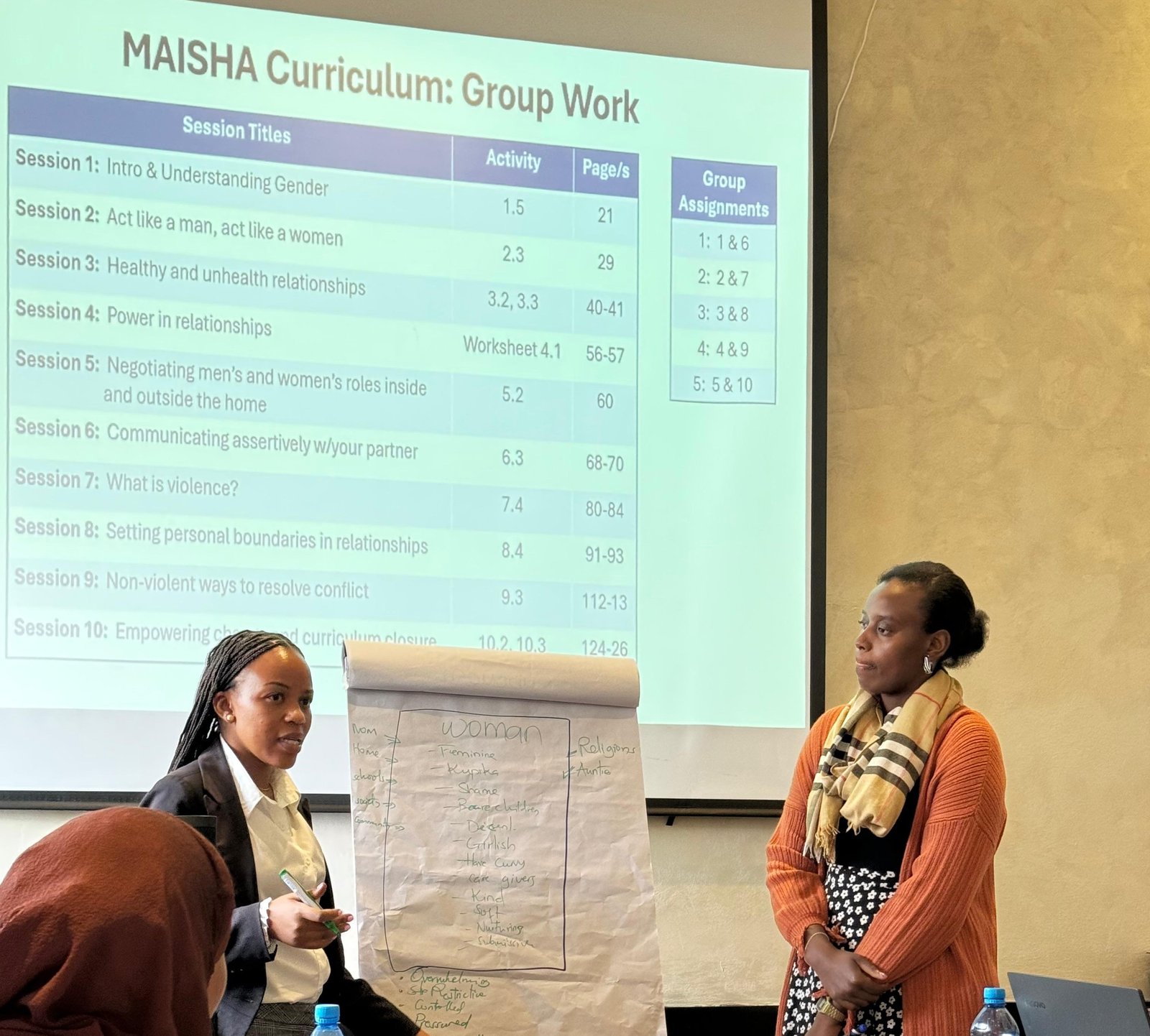
At Her Initiative, we see ourselves not only as implementers but architects of systems change. At the workshop, we helped co-design the strategic vision for MAISHA’s scale-up, ensuring the model integrates meaningfully with:
- Economic empowerment programming (our core strength),
- Gender transformative frameworks, and
- Youth-focused approaches that resonate with younger generations of women.
We also championed youth and community voices, calling for scale-up strategies that center lived experiences over top-down directives.
As Lydia Charles Moyo, our Executive Director, often says:
“Young women are not beneficiaries. They are builders. If you want sustainable systems, you invest in the people who live them every day.”
Why It Matters to Funders and Partners
This was more than a workshop recap. It was a signal.
The MAISHA model is ready to scale, and what it needs now are partners who are in it for the long haul. Funders who are not just looking for short-term results but systems-level transformation. Stakeholders who understand that ending IPV and empowering women economically are two sides of the same coin.
The evidence is in. The tools are ready. The community is mobilized.
Now is the time to support:
- Regional implementation efforts across Kenya and Tanzania.
- Capacity-building for local organizations to carry the torch.
- Institutional advocacy to integrate MAISHA into public health and gender policy.
This workshop was about scaling a program that will shape a future where every woman lives free from violence and full of possibility.
It reminded us that real change begins with people, especially young women who are leading from within their communities with courage and vision.