


Across the world, aid cuts are forcing organizations and communities to rethink how change is supported. Funding gaps slow progress. They strain teams. They force difficult decisions.
But they have not stopped the work.
Through STAWI Lab, youth-led and young women-led organizations chose a different response: share what we have, protect what matters most, and move forward together.
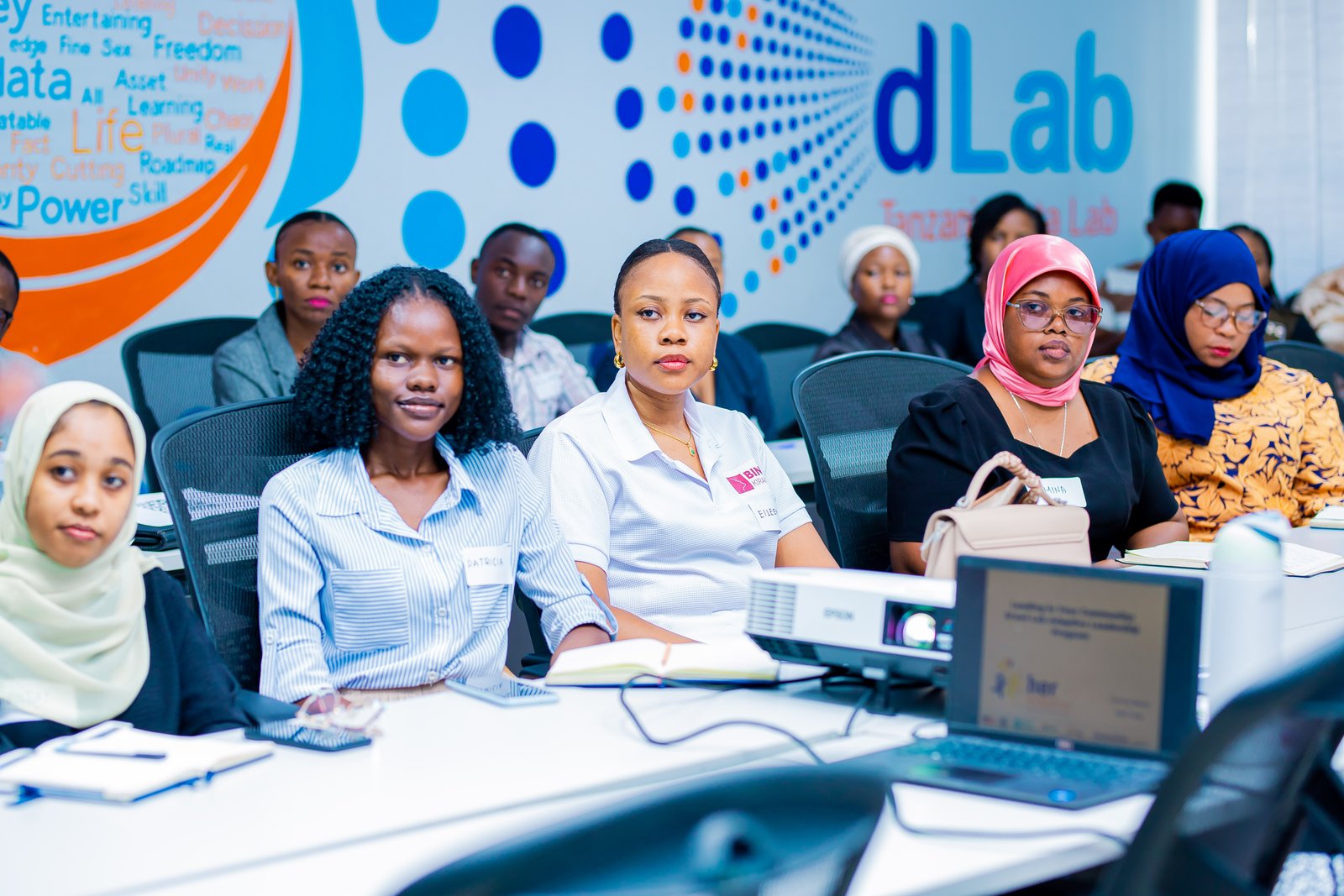
During this period of uncertainty, the network has reached 18,000 adolescent girls and young women, engaged 23,000 community members, and strengthened 20 youth-led organizations advancing women’s and girls’ rights.
These outcomes were not achieved in a season of abundance.
They were achieved in a season of constraint.
And that matters.
What Aid Cuts Really Look Like
Aid cuts rarely appear dramatic from a distance. On the ground, they look different.
They look like smaller teams and paused training cycles.
They look like mentorship programs reduced from weekly meetings to occasional check-ins.
They look like digital skills sessions stopping halfway through — leaving young women without certificates, tools, or follow-up support.
They look like trusted adults disappearing from safe spaces at critical moments in a girl’s life.
Youth-led organizations were forced to make difficult decisions: keep safe spaces open with limited resources, or scale back training and mentorship.
Many funding reductions came without transition support. And while young women were among the most affected, their voices were rarely included in funding conversations.
Choosing Collaboration Over Retrenchment
Instead of retreating, the network leaned into collaboration.
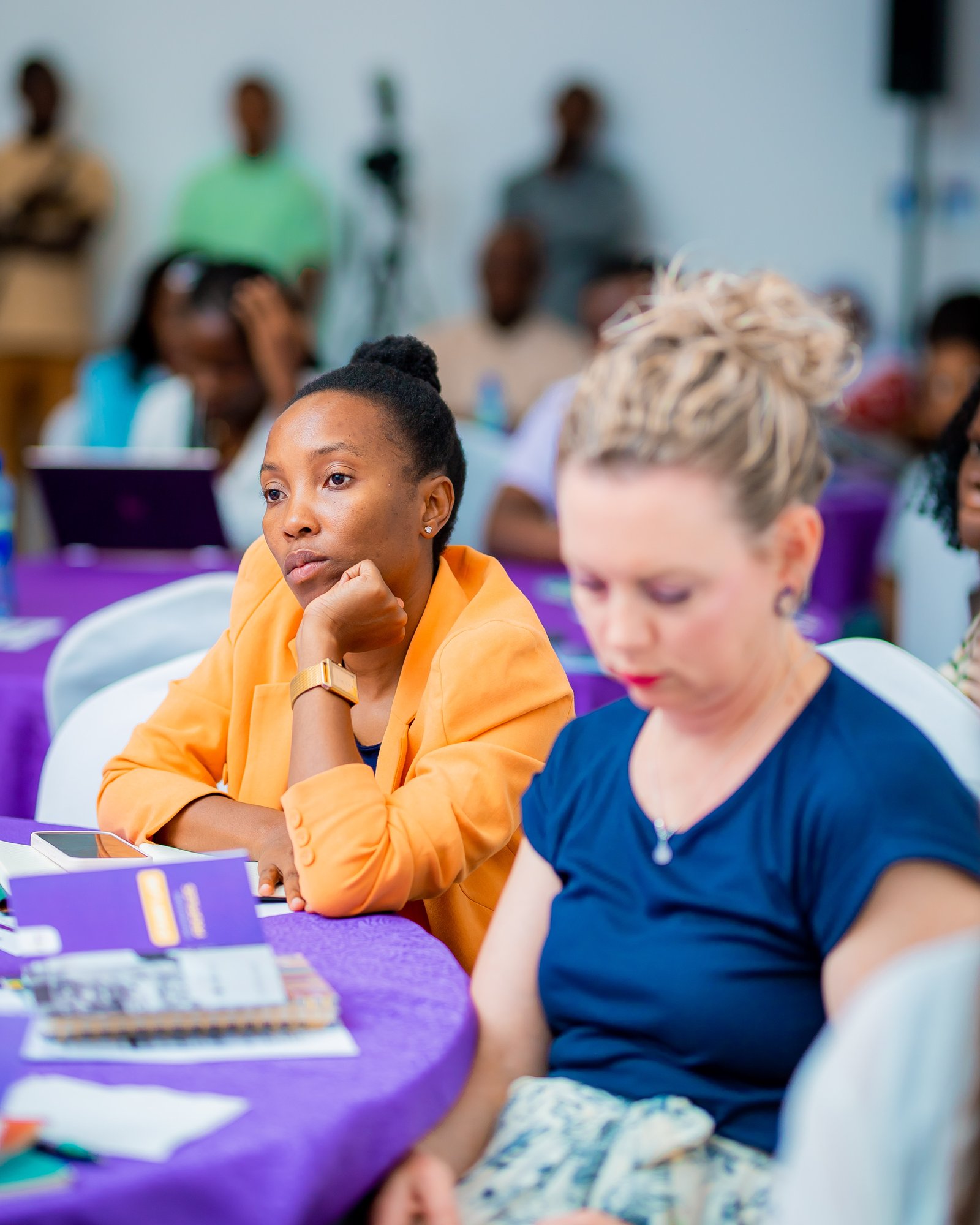
Through STAWI Lab, organizations shared facilitators, tools, knowledge, and even community spaces. Partnerships such as the collaboration between Urafiki Girls and Teens Corridor demonstrated what is possible when local actors align their efforts.
At a time when scaling back would have been expected, they collectively reached more than 200 girls.
This is what resource sharing looks like in practice.
It is leadership rooted in solidarity.
STAWI Lab also provided flexible, catalytic support to help sustain core activities, strengthened governance and financial systems so organizations could manage uncertainty, and convened peer learning spaces to redesign programs instead of shutting them down.
The focus was clear: protect services for girls and young women, even at a reduced scale, while strengthening institutions for the long term.
A Shared Responsibility
The funding landscape is shifting. Donors are navigating economic pressures and competing priorities. These realities are complex and real.
At the same time, youth-led work cannot survive on traditional aid alone.
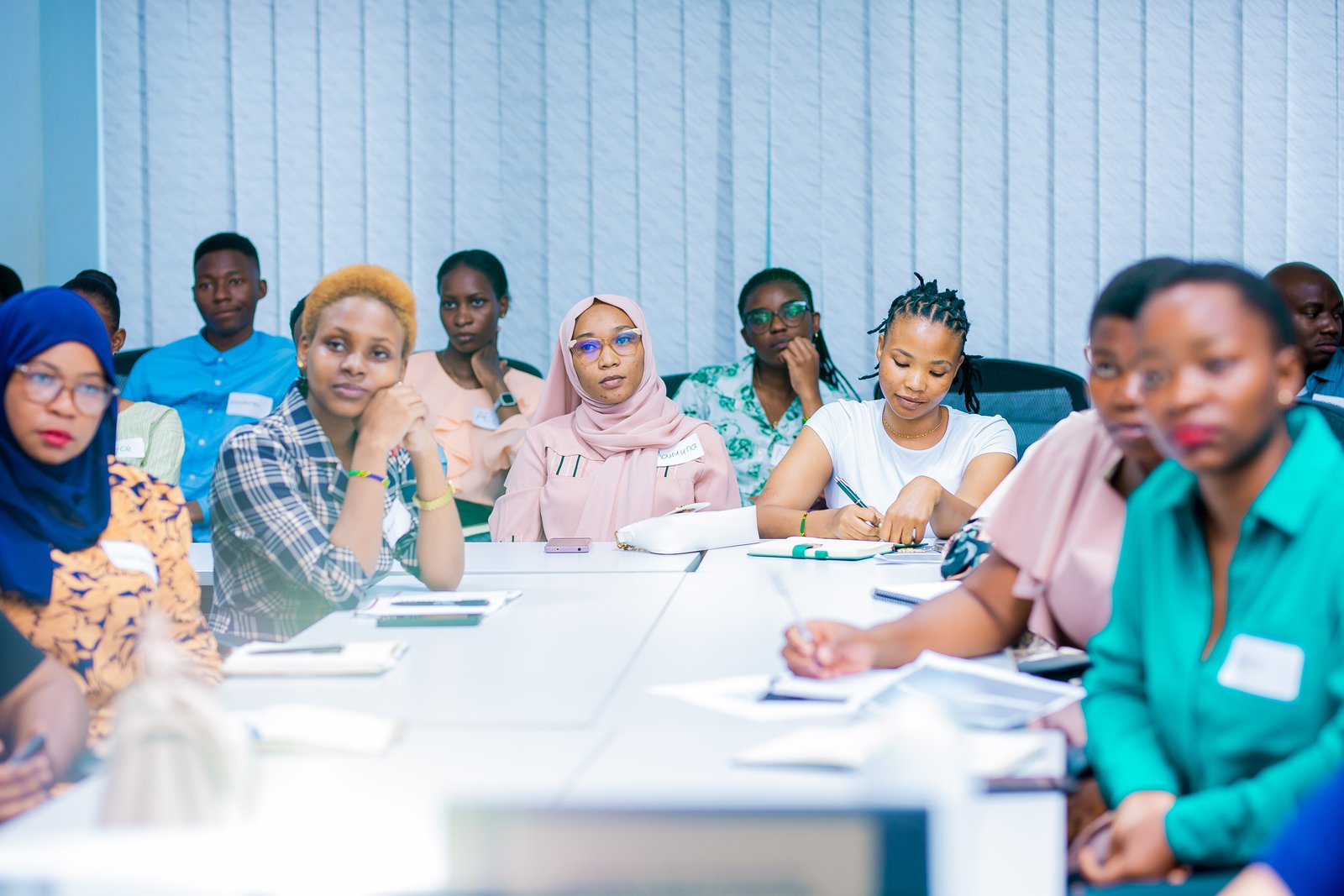
Communities are already investing through time, trust, leadership, and shared spaces. That is real capital.
When community-supported models are strengthened, programs gain ownership and resilience. When organizations join forces instead of competing, impact multiplies.
The private sector also holds a powerful role — supporting skills development and employment pathways, investing in youth-led innovation and social enterprises, and partnering with local organizations as long-term allies.
Women’s and girls’ rights cannot pause because funding does.
A Collective Call
This moment has revealed something important.
The challenge is not a lack of leadership or commitment among youth-led organizations.
It is a structural funding model that often under-resources those closest to communities.
The STAWI Lab Network is not asking for sympathy. It is asking for partnership — flexible and predictable funding, shared solutions across donors, communities, private actors, and policymakers, and recognition that protecting young women’s futures requires collective effort.
In times of shrinking aid, solidarity becomes a strategy.
And when resources are shared wisely, leadership is trusted, and collaboration drives action, progress continues — not perfectly, not easily, but persistently.
The work for girls and young women in Tanzania is still moving.
The question is not whether youth-led organizations will lead.
They already are.