
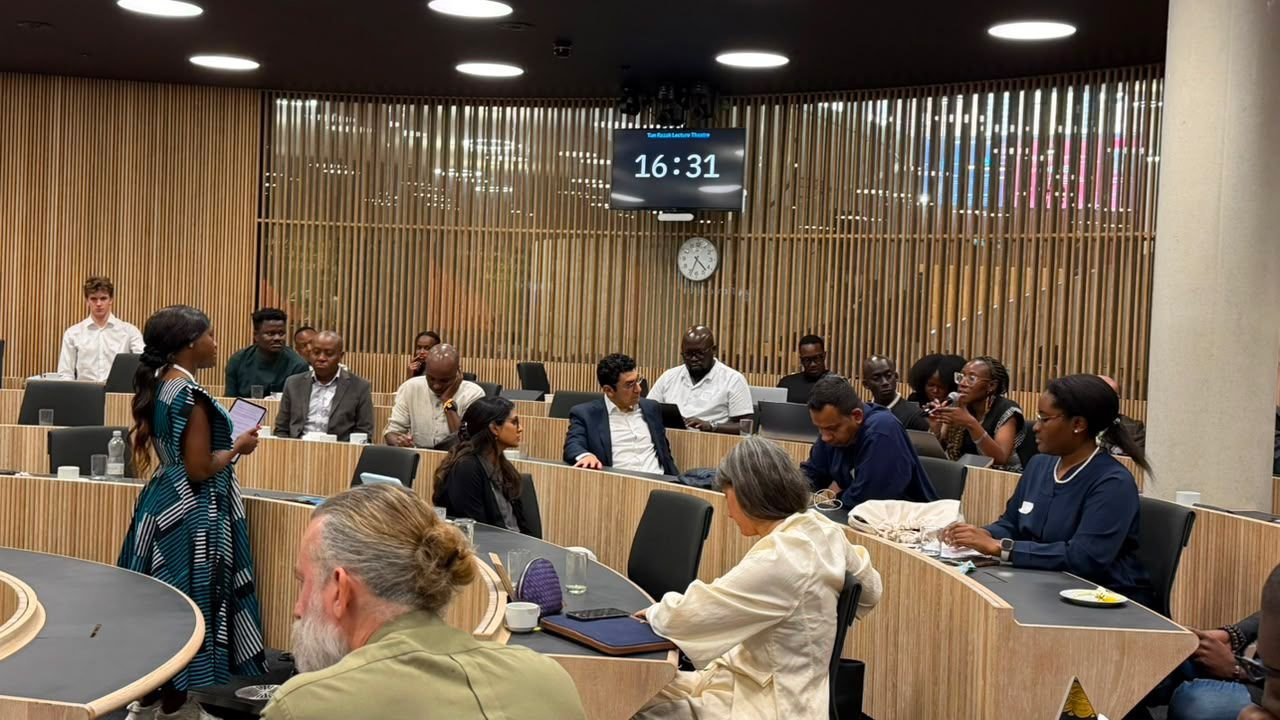
Last month, Her Initiative's Executive Director, Lydia Charles, joined founders, policymakers, researchers, investors, and institutional leaders from across Africa and beyond at the Blavatnik School of Government in Oxford, for the Africa & AI Futures Symposium, convened by Pax Technologica in partnership with the AI Centre of Excellence Africa (AICE).The symposium's central provocation set the tone for the two days: Africa must move from being a consumer of the intelligence economy to becoming one of its architects.
"Africa cannot afford to be a consumer of the intelligence economy - we must be architects of it," Lydia said. "In the next few years, decisions around data, infrastructure, and capital will shape the continent's future for a generation."
It is a distinction that sounds simple until you sit with what it actually demands. Consuming intelligence systems means adopting what others have built, on terms others have set. Architecting them means shaping the computer, the data governance, the enterprise adoption, and the capital formation from the inside, so that what gets built reflects the continent's own priorities and ownership, not just its market potential. The symposium was explicit about the timeline: the decisions that will determine Africa's position in the intelligence age for a generation are being made in a window of roughly the next three years - not a distant horizon, but the current sprint.
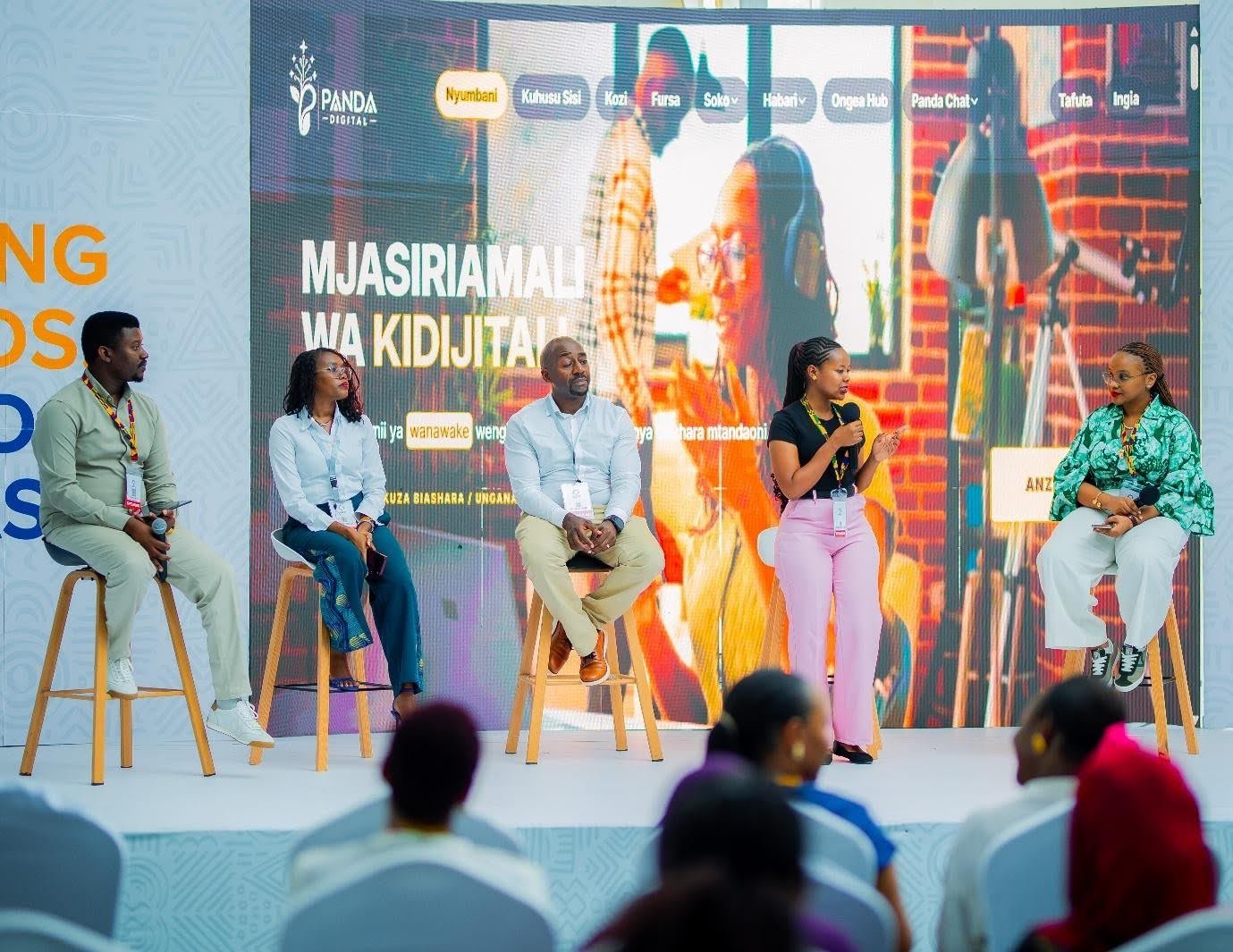
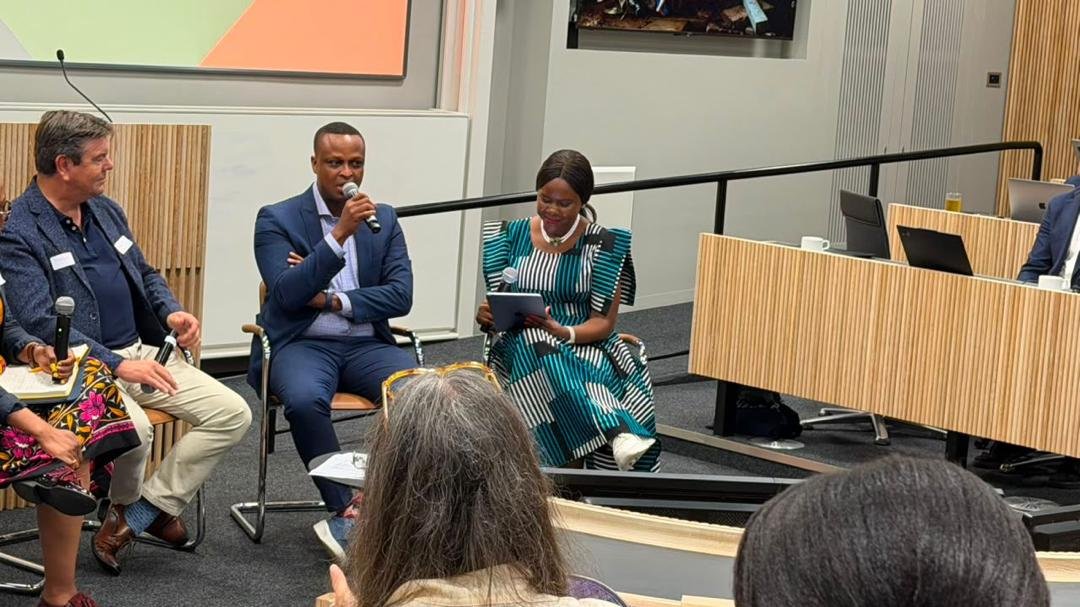
Lydia moderated the symposium's panel on Ecosystem Building, alongside leaders working across enterprise, finance, and public infrastructure. The conversation kept returning to one question: what does it actually take to move a continent from potential to platforms, to the jobs, investment, and exports that make an intelligence economy real rather than aspirational?
"It was a chance to explore how Africa moves from potential to platforms, jobs, investment, and exports," Lydia reflected afterward. "There was no appetite in that room for theatrical certainty - just a shared insistence that ecosystems have to be built deliberately."
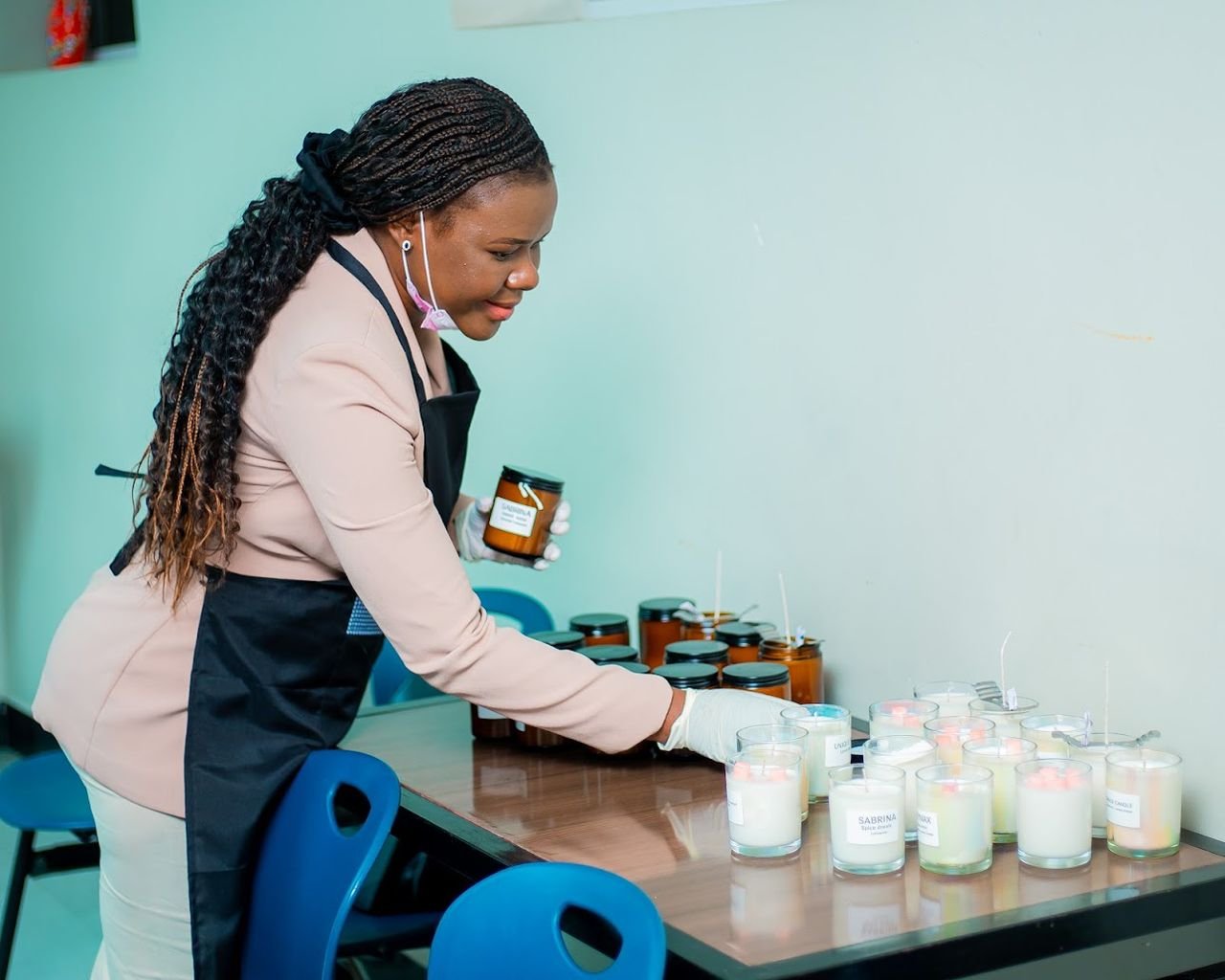
 That deliberate, ecosystem-first approach is one Her Initiative recognises well. We believe economic power isn't handed down, it's built. And it's built best with the people it's meant to serve. Through Panda Academy, young women develop the skills and confidence to launch sustainable enterprise. Through Panda Digital, that enterprise gains the infrastructure to compete and gain market access, systems shaped and built together with young women themselves hence reflecting what they need to make their enterprises thrive.
That logic holds at every scale: whether it's an entrepreneur graduating from Panda Academy, or a continent deciding who owns its infrastructure, sovereignty is built one durable institution, one owned asset, one capable person at a time. Oxford reminded us that enterprise development isn't adjacent to that conversation rather it is foundational to it.
As the symposium closed, the question it left behind was not whether Africa will participate in the intelligence economy, that is no longer in doubt but whether the continent will help design it, or simply live inside a design made elsewhere. It's a question Her Initiative, through its work in enterprise development and ecosystem building, intends to keep answering in practice.